
Walking the Walls: Top 5 Reasons to Visit Ávila’s Medieval Fortifications
Ávila, a walled city in Castile and León, Spain, has been standing as a symbol of historic and cultural significance for centuries. With its unique Gothic and Romanesque architecture, the medieval fortifications of Ávila have captivated visitors from all around the world. Walking along these walls will take you on an unforgettable journey through time – from Alfonso VI to UNESCO World Heritage Site status – and offer breathtaking views that will stay with you forever. Here are the top 5 reasons why you should visit Ávila’s medieval fortifications.
Overview of Ávila’s Medieval Fortifications
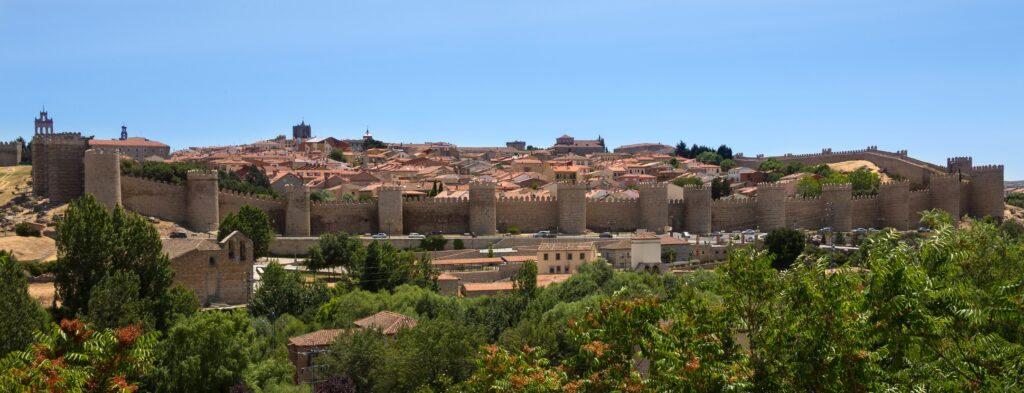
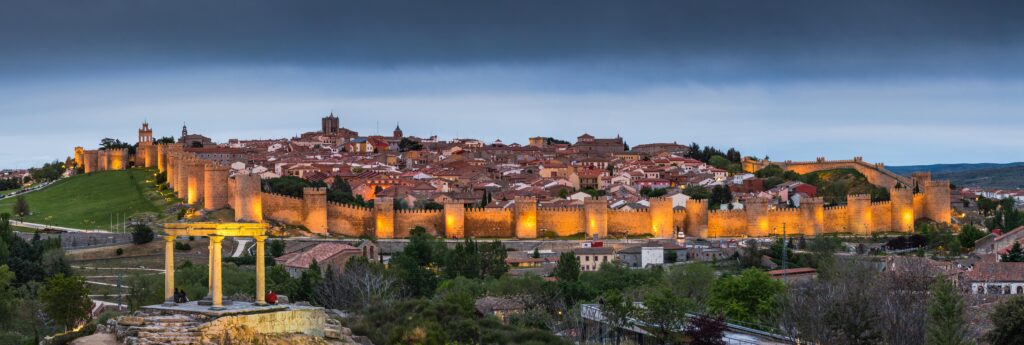
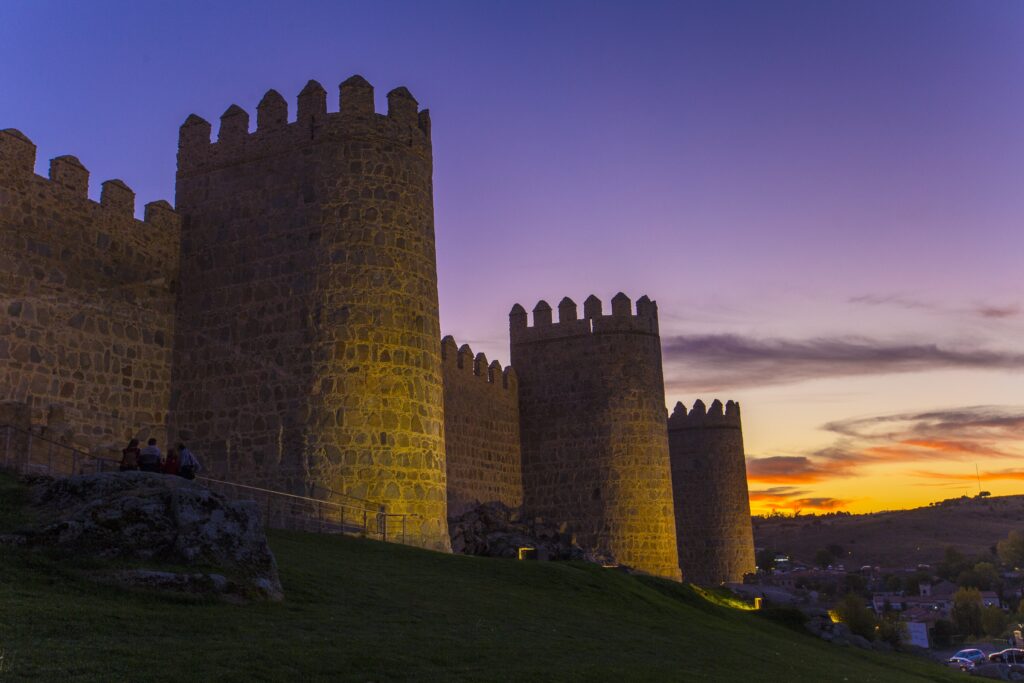
Ávila’s medieval fortifications date back to the 11th century when it was fortified by Alfonso VI of Castile. The walls, which are more than 2 kilometers long and up to 12 meters high, are among the best-preserved in Europe. They feature nine gates; most notably the Puerta del Carmen, San Vicente, and the main entrance Puerta de San Segundo. The walls boast over 80 watchtowers, including a unique double line of towers that make it a unique sight. In addition to the incredible architecture of these walls, they also offer breathtaking views of Ávila – from its Gothic Cathedral and Romanesque churches dating back to the 12th century to its beautiful city center with 16th-century houses and 17th-century Town Hall. Visiting Ávila’s medieval fortifications is an unforgettable experience that should not be missed!
Exploring the incredible walls of Ávila is an experience like no other – they show us a glimpse into a distant past, and offer unmatched views of the city. But that’s just the beginning; next, we’ll explore why Ávila’s unique Gothic and Romanesque architecture makes it a must-see destination!
Reason 1: Unique Gothic and Romanesque Architecture
Visiting Ávila’s medieval fortifications is a unique way to explore some of the best examples of Gothic and Romanesque architecture in Spain. The walls are mostly constructed from granite blocks, with some sections dating back to the 13th century. They were built in a style called ‘Ávilanese’, which is characterized by its distinct angles and machicolations. Inside the walls, visitors can admire the intricate details of the many towers, gates, and other elements that make up this incredible structure.
Additionally, the city’s churches boast beautiful frescoes and sculptures that showcase the architectural styles of different eras. From Saint Teresa’s 16th-century birthplace to the 14th-century Gothic Cathedral of Santa Maria la Real de Ávila, there is plenty to see and admire here! With its stunning architecture, Ávila is sure to leave you with unforgettable memories.
Ávila is an incredible city full of history, culture and beauty. From the ancient walls to the intricate details of its churches, it is a must-see for any traveler looking to experience some of Spain’s finest architecture. Next up, we’ll explore the awe-inspiring Gothic Cathedrals that have stood the test of time!
Gothic Cathedrals
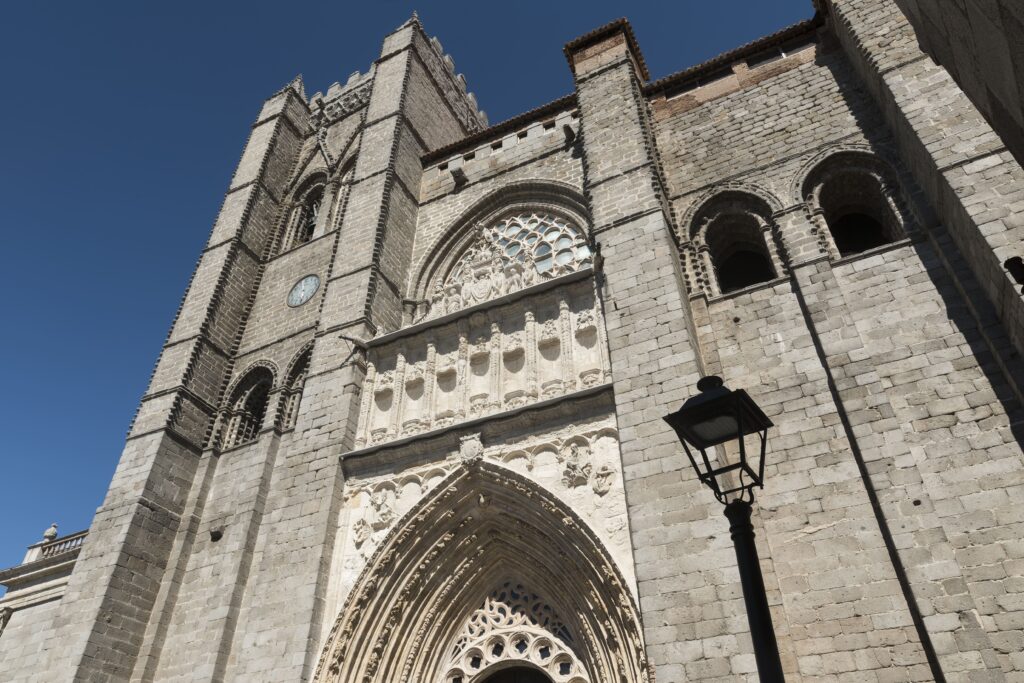
Gothic Cathedrals are a sight to behold. The intricate stonework, soaring spires, and grandiose interior of these awe-inspiring structures are sure to take your breath away. In Ávila, there are two Gothic Cathedrals worth visiting: the 14th-century Gothic Cathedral of Santa Maria la Real de Ávila and 15th-century San Vicente. Both were constructed in the style of medieval Europe and feature some truly remarkable architectural details. From the ornate rose window in Santa Maria’s façade to the beautifully decorated columns of San Vicente’s interior, each cathedral is a testament to its time period and an amazing example of Gothic architecture. Visiting both cathedrals is a great way to experience the city’s rich history and culture – not to mention get some incredible photos for your Instagram!
Romanesque Churches
The Romanesque churches of Ávila are something truly special. Dating back to the 11th and 12th centuries, these churches remain some of the most impressive examples of Romanesque architecture in all of Spain. From the majestic San Pedro Church to the quaint Santiago Chapel, each building is a masterpiece in its own right. What’s more, many of these churches have been preserved in excellent condition, giving visitors a glimpse into a time long-gone by. Whether you’re an architectural enthusiast or just looking for some great photo opportunities, there’s no better place than Ávila to explore the beauty and history of Romanesque architecture. Make sure to take a few hours out of your day to wander around these incredible churches – you won’t regret it!
Puerta del Carmen
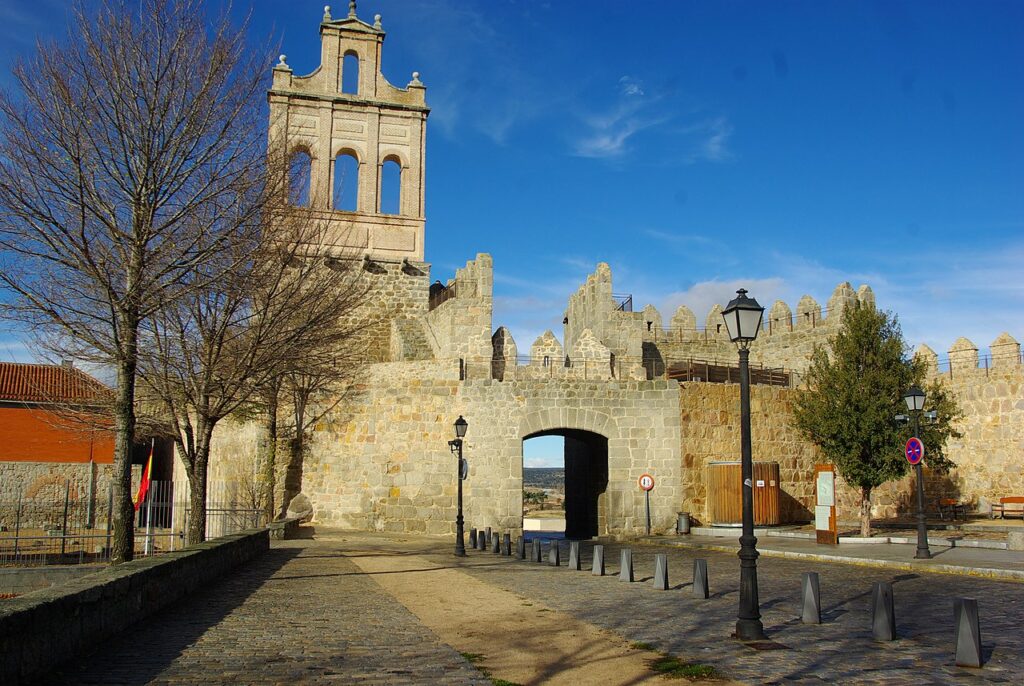
Situated in the heart of Ávila’s medieval walled city, Puerta del Carmen is a stunning piece of architecture that dates back to the 16th century. Built by Alfonso VI as part of his efforts to defend the city from potential attacks, this historic gate has been standing proudly since 1583 and is now one of the most famous landmarks in all of Spain.
Visitors can marvel at Puerta del Carmen’s impressive Gothic arches and admire its intricate carvings which are believed to feature images of Saint Teresa, who was born in Ávila. It’s a truly beautiful sight that shouldn’t be missed. If you have time during your visit, make sure to take some photos – it’ll make for a great memory!
Town Hall and Other Attractions
The Town Hall of Ávila is one of the most impressive buildings in the city, located at the center of its medieval walls. Built between the 14th and 17th centuries, this stately building has served as a symbol of power for centuries. Visitors can admire its distinctive Gothic architecture, which is highlighted by its beautiful stonework and grand entrance. Inside, you can take a guided tour to learn more about the history of the town hall and marvel at its intricate carvings.
But that’s not all – there are plenty of other attractions inside Ávila’s walls that are worth exploring too! From old churches such as San Vicente or Santa María de los Remedios to Roman ruins scattered throughout the city, these sites offer glimpses into the rich culture and history that has shaped Ávila over the years. Plus, don’t forget to stop by some of the local shops and restaurants for a taste of authentic Spanish cuisine – you won’t regret it!
Reason 2: Historic Significance of Ávila’s Walls
Ávila’s walls have a long and rich history, having been built as early as the 11th century by Alfonso VI. These walls are considered to be some of the best-preserved medieval fortifications in Europe, and their significance has been recognized by UNESCO – making them a World Heritage Site.
The walls – which span over two miles in length and reach heights of up to 40 feet – were built not just for protection but also to symbolize the power of the ruling kings. Over the centuries, they have served as a reminder of Ávila’s past glory, and today they remain an important part of its culture.
Walking along these ancient stone walls is like taking a step back in time – with each step you can imagine what it was like living within them during centuries gone by. Plus, there are plenty of places to stop along the way – from churches and towers to Puerta del Carmen (the main entrance gate). It’s an unforgettable experience that gives visitors a unique insight into this beautiful city’s fascinating history.
From the imposing stone walls to the historical landmarks within, Ávila’s history is truly captivating. You can almost feel its ancient beauty lingering in the air. But it doesn’t end with the walls – Alfonso VI and San Vicente Mártir played an important role in Ávila’s past, as you’ll find out in the next section…
Alfonso VI and San Vicente Mártir
Alfonso VI and San Vicente Mártir are both important figures in Ávila’s past. Alfonso was the King of Castile from 1072 to 1109, during which time he ordered the construction of the city walls that still stand today. On the other hand, San Vicente Mártir was a Spanish martyr who died for his faith in 853 AD. His remains were later moved to Ávila, where a church dedicated to him still stands today.
These two figures are not just historically significant; they also play an important role in the culture of Ávila today. Alfonso VI is remembered as a great ruler who helped make Ávila into one of Spain’s most powerful cities. Meanwhile, San Vicente Mártir is worshipped as a saint by many local people and is seen as an example of faith and courage.
Visitors to Ávila should take some time to learn more about these two important figures – visiting their churches or taking part in any festivals or events dedicated to them is a great way to do this. By learning their stories, visitors will gain a greater understanding of this beautiful city’s fascinating history.
UNESCO World Heritage Site Status
Ávila is a city of great historical and cultural importance, so it’s no surprise that it has been granted UNESCO World Heritage Site status. This designation recognizes the city’s unique heritage and ensures its protection for future generations.
The city’s medieval walls are perhaps its most recognizable feature, having been built in the 11th century to protect the city from invaders. These impressive fortifications have stood the test of time, still standing tall today as a reminder of Ávila’s past.
Other noteworthy monuments include the Gothic Cathedral of Saint Vincent, which dates back to 1238, and the Puerta del Carmen, a 16th-century gateway that served both defensive and decorative purposes. There are also several Romanesque churches dotted around town, as well as a 17th-century Town Hall.
Visiting Ávila is an incredibly rewarding experience. You’ll be able to explore its incredible monuments while soaking up its rich history and culture – all with UNESCO World Heritage Site status assurance that it will remain protected for years to come!
Reason 3: Beauty of the Cityscape
Ávila is a stunningly beautiful city that will take your breath away. With its ancient walls and historic buildings, it’s easy to see why it has UNESCO World Heritage Site status. The towering medieval walls are particularly impressive, standing tall around the city since the 11th century. They are made up of two sections – one built by Alfonso VI in 1090 and the other built by San Vicente in 1256 – and they still stand today, offering visitors a glimpse into the past.
The rest of the city’s beauty is no less impressive. There are several Romanesque churches dotted around town that date back to the 14th century, as well as a 17th-century Town Hall. Then there’s the Gothic Cathedral of Saint Vincent which is said to have been founded by Saint Teresa herself!
The combination of these incredible monuments and historical buildings creates an amazing cityscape that you won’t find anywhere else. Whether you’re looking for a place to relax or simply want to explore some of Spain’s most beautiful cities, Ávila should definitely be on your list!
Ávila is truly a sight to behold, and its awe-inspiring beauty will captivate the hearts of all who visit. Get ready for an unforgettable experience, because the next section will explore some of the picture-perfect vistas from the walls!

Picture-Perfect Vistas from the Walls
As you step onto the walls of Ávila and look out across the city, you can’t help but be awestruck. The ancient walls offer a sweeping view of the entire city, with its beautiful Romanesque churches and remarkable monuments standing tall against the skyline. With every turn, a new picture-perfect vista awaits.
The most impressive view of all is from Puerta del Carmen – the ancient gatehouse that dates back to 1560. From here, you can see both the 11th century walls and their 12th century expansions in one breathtaking panorama. You can also take in the Gothic Cathedral of Saint Vincent in all its glory or admire San Vicente’s Tower which stands as a tribute to his memory.
No matter where you look, there is something special to admire – from stunning sunsets over the city to picturesque views of nature during springtime. It’s no wonder why Ávila was awarded UNESCO World Heritage Site status – these awe-inspiring vistas from the walls make it one of Spain’s greatest cities!
Reason 4: Accessibility and Affordable Entrance Fees
Exploring Ávila’s ancient walls doesn’t have to break the bank – in fact, it’s surprisingly affordable! Entrance fees are very reasonable, with discounts available for children and students. This makes the walls of Ávila a great option for families or anyone who wants to explore the city on a budget.
Ávila is also very accessible, with a number of ways to get to the walls. You can take a bus or drive up to Puerta del Carmen and park nearby. Alternatively, you can take a taxi or even walk! That’s right – walking is an option too! Because the walls encircle most of the old town, you can easily access them on foot. Just follow one of the many paths that lead up to Puerta del Carmen and you’re there!
So if you’re looking for an affordable way to explore one of Spain’s most incredible cities, look no further than Ávila’s medieval fortifications. With entrance fees that won’t break your budget and plenty of easy ways to get there, it’s an experience that everyone should enjoy at least once in their lifetime.
For a truly unique and affordable experience, nothing can quite compare to the awe-inspiring walls of Ávila. With so much history to explore, these ancient fortifications offer an unforgettable way to get up close and personal with Spain’s past. Get ready for your next adventure – variety of cultural experiences await you in Ávila!
Reason 5: Variety of Cultural Experiences offered in Ávila
Whether you’re a history buff or just looking for an adventure, Ávila has something to offer everyone. From the 12th century walls that encircle the city to the gothic cathedral and romanesque churches, there’s no shortage of cultural experiences to be had in this beautiful Spanish city. Not to mention Alfonso VI’s 11th century palace, San Vicente’s 16th century town hall, and the 14th century Saint Teresa convent – it’s easy to see why Ávila was declared a UNESCO World Heritage Site!
But that’s not all – Ávila also offers visitors plenty of opportunity to explore its past through a variety of activities and events. Take a guided tour around the old town, attend one of the many festivals held throughout the year, or simply stroll around and take in the sights. There’s always something interesting happening in Ávila!
No matter what your interests are, you’re sure to find something that speaks to you in Ávila. Whether it’s historical monuments or unique local traditions, this 17th century city promises an unforgettable experience. So if you’re looking for an exciting way to immerse yourself in culture – look no further than Ávila!
Ávila is a city of history and culture like no other, with something for everyone to enjoy. From the ancient walls that surround it to the vibrant festivals and events, this 17th century city is sure to leave you in awe. So don’t miss out on this amazing experience – come explore Ávila today! And stay tuned for our conclusion, where we’ll give you more tips on how to make the most of your visit.
Conclusion
Well, we’ve come to the end of our exploration of why you should visit Ávila’s medieval fortifications. From the cultural experiences offered in this city to its incredible history, we’ve shown you just a few reasons why Ávila is worth the visit. Now that you know all about what this beautiful and historic Spanish city has to offer, it’s time to plan your trip!
The best part about visiting a walled city like Ávila is that there are so many ways to explore it. You can take a guided tour around the old town and see some of the famous monuments or simply stroll around and take in the atmosphere. There are also plenty of festivals held throughout the year, giving visitors an opportunity to learn more about local culture and customs. And don’t forget – admission fees for entering Ávila’s walls are very reasonable too!
So if you’re looking for an exciting way to immerse yourself in culture – look no further than Ávila! This ancient city promises an unforgettable experience and will surely leave you with memories that last a lifetime. So go ahead – book your tickets today and start planning your adventure!

Neil James
Neil James is a British expat who is a long term resident of Spain. He has traveled the country extensively.


