The Hanging Houses of Cuenca: A Unique Architectural Wonder
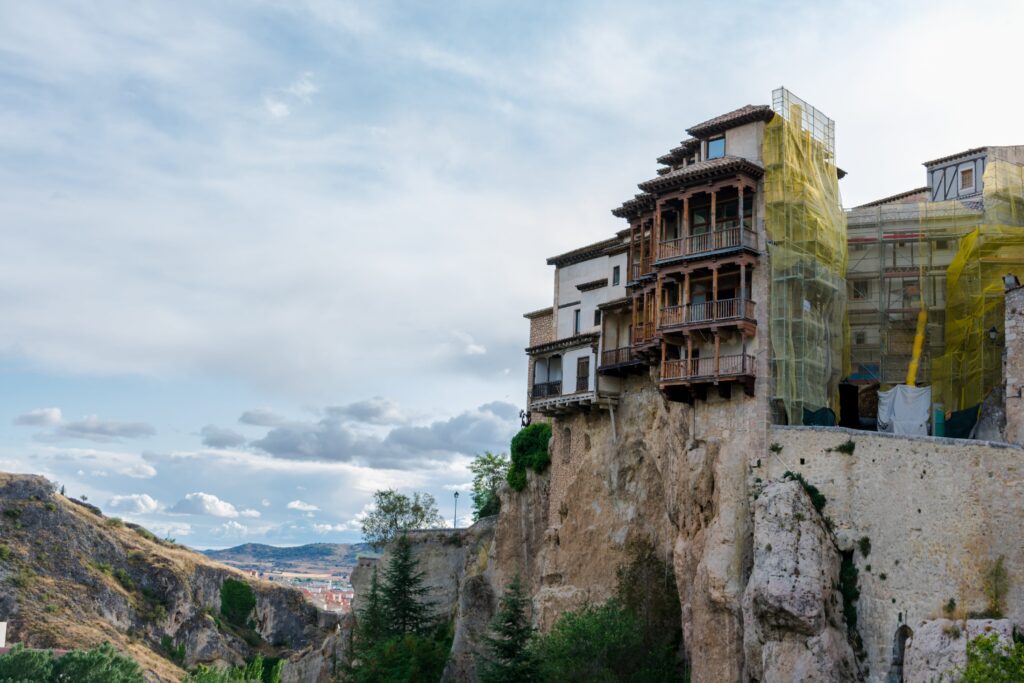
The Hanging Houses of Cuenca have long been a source of fascination and intrigue. From their unique construction to the captivating views they offer, these homes provide an experience like no other. Perched atop the cliff sides, these structures stand in defiance against the laws of gravity as they hang above the city streets below. A marvel of design and engineering, it is no wonder that the Hanging Houses were declared a UNESCO World Heritage Site in 1996. For centuries, this architectural wonder has captivated visitors from around the world, creating a unique experience that can only be found in Cuenca.
The Unique Characteristics of the Hanging Houses
The Hanging Houses of Cuenca are a remarkable architectural feat that have been captivating visitors for centuries. These homes are built directly into the cliff sides of the city, creating unique and stunning views of the surrounding landscape. The construction of these houses began in the 12th century and has been continually developed over time, incorporating Gothic, Moorish, Renaissance, and Baroque elements along the way. This creates a distinct aesthetic that is unlike any other found in Spain.
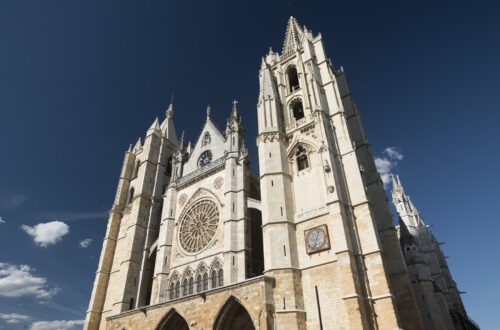
The Hanging Houses also offer spectacular panoramic views from their many balconies and terraces. From these vantage points, visitors can appreciate the beauty of this enchanted city with its many historical buildings such as the Gothic Cathedral and Park Guell. No matter how you view it, there is no denying that the Hanging Houses of Cuenca are truly one-of-a-kind architectural wonders that deserve to be admired and appreciated.
The Hanging Houses of Cuenca are an incredible testament to the history and beauty of Spain. It is no wonder why so many visitors flock to these remarkable homes each year.

Exploring the Hanging Houses
For those looking to explore the Hanging Houses of Cuenca, there is no shortage of things to see and do. From admiring the intricate masonry and arches that line the walls of these homes, to taking in the breathtaking views from their many balconies and terraces, visitors can marvel at the fusion of 15th century Gothic and 16th century Moorish architecture that makes these homes so unique.
A visit to the Hanging Houses also presents a great opportunity to learn more about Spain’s rich history, as they are located within a walled city that was first established during the 8th century under Muslim rule. With its winding cobblestone streets and picturesque plazas, it is easy to see why Cuenca has been declared a UNESCO World Heritage Site. For all these reasons and more, a visit to this enchanting city is sure to be an unforgettable experience!
From the breathtaking views to the rich cultural and historical significance of these homes, the Hanging Houses of Cuenca are sure to be a highlight of any trip. With their unique architecture and stunning cityscape, it’s easy to see why they have become one of Spain’s most beloved attractions. Now let’s take a look at where exactly we can find the Hanging Houses and how best to orient ourselves while exploring them!
Location and Orientation
The Hanging Houses of Cuenca are located in a picturesque walled city that was first established during the 8th century. Situated on the banks of the Huécar River, it is only a short distance away from Central Spain’s capital city, Madrid. As visitors enter the city center, they will find themselves surrounded by ancient buildings and winding cobblestone streets. The best way to orient oneself while visiting is to start at Plaza Mayor and make your way along Calle de San Pablo towards the Church of San Miguel. From there, one can easily access various viewing points where it is possible to admire the incredible panoramic views of these unique homes!
Getting to Know the Landscape
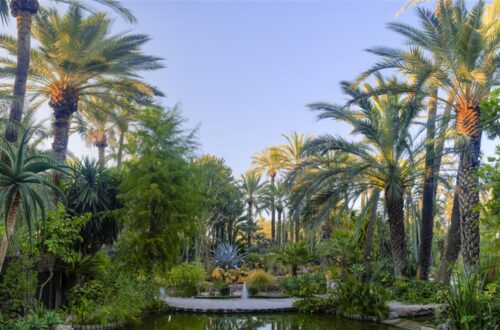
Cuenca is a city that can be explored and appreciated from different perspectives. Its unique landscape encompasses a variety of terrains, ranging from the spectacular hanging houses that are perched atop the cliffs, to the lush green parks located in the center of town. Visitors can take a leisurely stroll through Cuenca’s historical districts or explore its stunning landscapes on foot. The city has something for everyone; from romantic walks along winding cobblestone streets to captivating views of the ancient architecture, there is always something to marvel at and enjoy. A visit to Cuenca will leave you with memories that last a lifetime!
Views from Above and Below
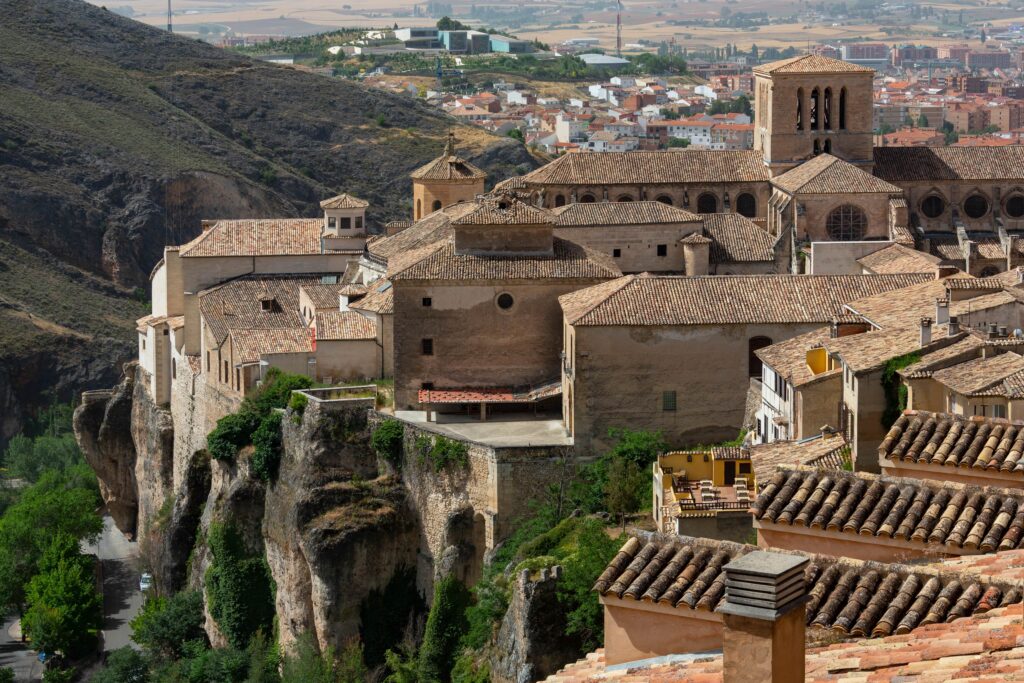
The views of Cuenca from above and below are simply breathtaking. From the top of the cliffs, visitors can marvel at the hanging houses that seem to defy gravity, perched precariously on the edge of a ravine. Visitors can also take in sweeping panoramic views of the cityscape, which is made up of ancient buildings and churches dating back to the 12th century. Meanwhile, on the ground visitors can explore winding cobblestone streets lined with charming cafes and shops. The city’s enchanting parks provide a lush green escape from urban life while its Gothic cathedral provides an impressive backdrop for any photo-op. With so much to see and do, it’s no wonder why Cuenca has been named a UNESCO World Heritage Site!
Appreciating Different Perspectives
The beauty of Cuenca is that it can be appreciated from a variety of perspectives. Whether you’re standing at the top of the cliffs, admiring the hanging houses as they defy gravity, or walking through its cobblestone streets, taking in the sights and sounds of its charming cafes and shops; whether you’re exploring its parks with their lush green landscapes or admiring its Gothic cathedral with its impressive architecture – Cuenca has something to offer everyone. Understanding and appreciating these different perspectives gives us a greater appreciation for this incredible city and all it has to offer. It also serves to remind us that there’s more than one way to view our world. By opening ourselves up to alternative viewpoints, we can gain new insights into our own lives and those around us.
Historical Significance of the Hanging Houses
The Hanging Houses of Cuenca are one of the most iconic architectural wonders in Spain, and have been a major tourist attraction since their construction in the 12th century. Located in the medieval city of Cuenca, these houses were built high up on a cliff face and are connected to each other by bridges. The Hanging Houses’ unique design has made them an important part of Spanish history and culture, and they have earned UNESCO World Heritage Site status.
The houses are also known for their spectacular views from the balconies that overlook the city below. From here visitors can take in stunning panoramic views of Cuenca’s terracotta rooftops, its beautiful churches and monuments, and even distant mountain ranges. These views make it easy to understand why this site has captivated visitors for centuries; it was even mentioned in Miguel de Cervantes’ famous novel Don Quixote as an enchanted city.
The Hanging Houses represent more than just a unique form of architecture; they stand for an entire era of Spanish history – one marked by Moorish influence during the 8th-18th centuries. Visiting these remarkable structures is a reminder that despite our differences we can all appreciate beauty created through diverse perspectives.
The Hanging Houses of Cuenca are a beautiful reminder of the power and beauty that can be created through diverse influences. From their intricate design to their breathtaking views, these iconic structures offer a glimpse into an era of Spanish history and culture that should not be forgotten. But the Moorish influence in Cuenca’s architecture doesn’t end there.
Design Influences in Cuenca’s Architecture
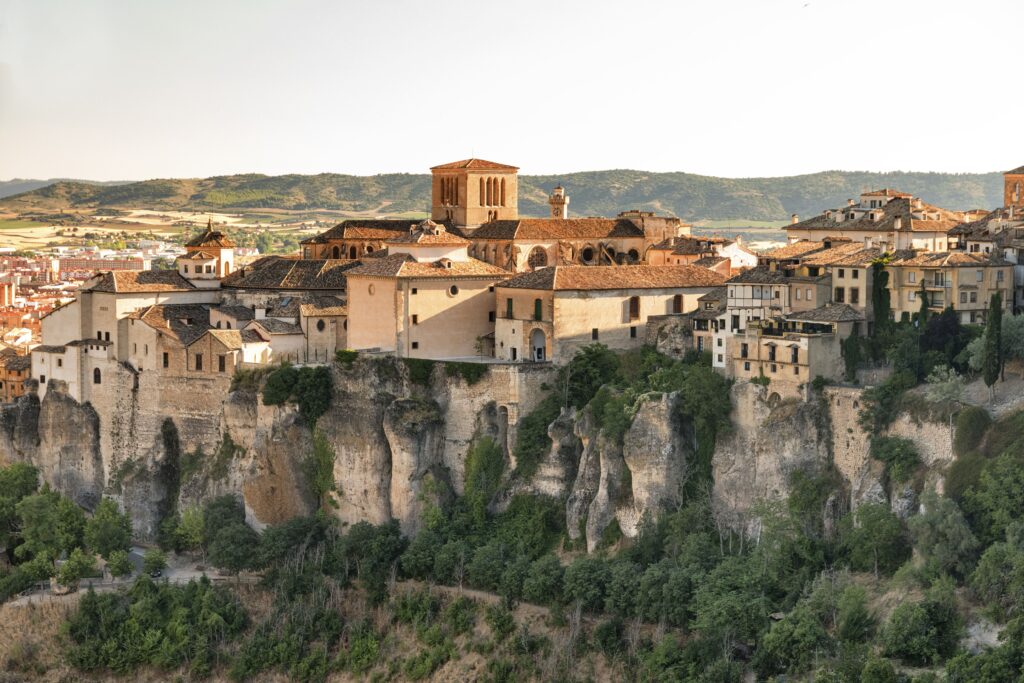
Cuenca’s architecture is a unique blend of diverse influences, most notably the Moorish culture which dates back to the 8th century. This influence can be seen in some of Cuenca’s most iconic structures, such as the Hanging Houses and the Gothic Cathedral. From the ornate designs and intricate stonework to the beautiful arches and balconies, these buildings are a testament to the craftsmanship of their creators.
The Moorish influence has also been felt in other areas of design, including interiors and furniture. Traditional features like vibrant tile patterns, arch-shaped windows, and colorful textiles are all common elements in Cuenca’s architecture. The city’s unique style can be seen throughout its streets, from the casas colgadas or “hanging houses” that line its cliffsides to Park Guell with its stunning views of Barcelona.
Cuenca’s architecture is an impressive feat that showcases centuries of cultural exchange between Spain and North Africa. Its beauty speaks volumes about how different cultures can come together to create something truly special – a stunning reminder that when it comes to design, diversity is key!
Declared as a UNESCO World Heritage Site in 1996
Cuenca, Spain is a city of many wonders, including its renowned Hanging Houses. These unique dwellings have been standing for centuries and have become an iconic symbol of the city. Declared as a UNESCO World Heritage Site in 1996, these houses offer a glimpse into the architectural legacy of Cuenca and Spain.
The Hanging Houses are located on the cliffsides of the Huécar River canyon, offering breathtaking views of the surrounding landscape and cityscape below. The earliest houses date back to the 12th century and were built by local nobility and merchants. Over time, more buildings were added until Cuenca’s skyline was filled with these striking structures.
The architecture of these houses is quite impressive. Various styles such as Gothic, Renaissance, and Baroque can be found in their design, making them a beautiful sight to behold. They are also constructed from locally sourced materials such as granite blocks and wooden beams which adds to their charm.
The Hanging Houses are a remarkable testament to Cuenca’s architectural heritage and serve as an important reminder that diversity is key when it comes to design. Thanks to their status as a UNESCO World Heritage Site they will continue to be admired for generations to come.
Features of the Hanging Houses Today
Today, the Hanging Houses of Cuenca are still a major tourist attraction. They have been carefully preserved over the centuries and serve as an important reminder of Spain’s rich cultural heritage. Visitors can admire the stunning architecture, enjoy panoramic views of the city, and explore local folklore.
The houses are accessible via footbridges which span across the river canyon and lead to their doors. Many of them have been converted into museums, allowing visitors to explore their history in more depth. For those looking for a more immersive experience, some offer guided tours which provide insight into their construction and changes over time.
The Hanging Houses are also home to some unique features such as balconies and lookout points which offer spectacular views of the cityscape below. From here you can see beautiful churches, parks, monuments and even Gaudi’s iconic Park Güell in Barcelona!
These incredible dwellings continue to amaze tourists from all around the world with their unique architecture and breathtaking views. Whether you’re a local or visitor alike, it is clear that these hanging houses are definitely worth exploring!
The Hanging Houses of Cuenca are truly a sight to behold and offer an unforgettable experience. It is not only their unique architecture that stands out, but also the incredible views of the cityscape below. Their centuries-old history and culture are alive and well today, ensuring that they will be enjoyed by generations to come.
Preservation and Conservation Efforts
The preservation and conservation of the Hanging Houses of Cuenca is a testament to the dedication of locals, who have worked hard to ensure that future generations can appreciate their significance. In 1988, the Hanging Houses were declared a UNESCO World Heritage Site due to their important cultural value. Since then, local authorities have made concerted efforts to maintain them and protect them from damage caused by natural disasters or human intervention.
In addition, private organizations and volunteers have also been actively involved in preserving this unique architectural wonder. For instance, they work together with experts on refurbishment projects, such as restoring wooden beams and other structural components using traditional methods. They also provide educational tours which teach visitors about the history of these houses and the importance of conserving them for future generations.
Finally, there are numerous initiatives aimed at raising awareness among locals and tourists alike about the importance of protecting these remarkable dwellings. These include workshops, seminars, exhibitions and campaigns that promote responsible tourism practices which aim to preserve this unique piece of Spanish culture for years to come.
Historic versus Modern Structures
The modern world is awash with structures of all shapes and sizes, from the towering skyscrapers of major cities to the sleek designs of contemporary homes. However, nothing quite compares to the beauty and grandeur of historic buildings, which have stood the test of time and are often a source of inspiration for modern architects.
Historic structures are usually constructed with materials such as stone, wood and brick that have been crafted by hand over many years. This gives them a unique character that can’t be replicated by modern engineering techniques. On top of this, they often feature intricate details such as ornate carvings or stained glass windows that add to their aesthetic appeal.
In contrast, modern structures tend to be built with cost-effectiveness in mind rather than aesthetics; they are often made using prefabricated components that lack the charm and sophistication found in older buildings. Furthermore, new structures don’t typically possess the same sense of nostalgia that one finds in watching an old building age gracefully over time.
Overall, while there’s no denying the convenience and practicality associated with modern buildings, it’s clear that there’s something special about historic structures that still captivates people centuries later. For this reason alone, it is important to make a concerted effort to preserve these monuments for future generations to enjoy.
Tourist Attractions in the Area
Cuenca, Spain is home to one of the most unique and awe-inspiring attractions in the world: the Hanging Houses of Cuenca. These incredible structures are perched atop cliffs, giving them a truly remarkable appearance that’s unlike anything else on earth. Dating back to the 8th century, these hanging houses were built by locals who needed to make use of the steep terrain without sacrificing their stunning views of the surrounding Spanish countryside.
Today, visitors from all over the world flock to Cuenca to marvel at these hanging houses and explore other nearby tourist attractions including a 12th century cathedral, a 16th century castle and an 18th century park. In addition to its architectural wonders, Cuenca also offers breathtaking panoramic views over its historic walled city and beyond into enchanting countryside. As such, it’s no surprise that Cuenca has been designated as an UNESCO World Heritage Site due to its distinctive beauty and cultural significance.
Whether you’re a history buff or simply looking for an unforgettable holiday destination, Cuenca has something special for everyone. There’s no doubt that after visiting this beautiful city you’ll be left with memories that will last a lifetime.
Conclusion
Preserving historic sites is essential not only for the sake of appreciating cultural heritage but to ensure that future generations can learn from them and be inspired by their beauty. The Hanging Houses of Cuenca are a perfect example of how ancient structures can remain relevant in modern times. Not only do they provide insight into the past, but they also make for an unforgettable experience for tourists today.
By visiting this remarkable city and its stunning attractions, we can take a step back in time whilst admiring the ingenuity and craftsmanship of our ancestors. We must continue to support the conservation efforts of these important historical sites so that future generations may enjoy them too. The preservation of Cuenca’s Hanging Houses is an excellent reminder that history should never be forgotten or neglected – it deserves to be revered and appreciated by us all.

Neil James
Neil James is a British expat who is a long term resident of Spain. He has traveled the country extensively.