
Córdoba’s Roman Heritage: Monuments, Ruins, and Mosaics
Córdoba, Spain is a city steeped in history and culture, but it is perhaps best known for its ancient Roman heritage. From the ruins of the grand Temple of Claudius to the exquisite mosaics that adorn its walls, Córdoba’s Roman legacy lives on in its monuments, ruins, and mosaics. This essay will explore the fascinating history behind Córdoba’s rich Roman heritage, from its early beginnings under Roman rule to its decline and reconstruction up to the present day. Come along as we uncover the secrets behind this remarkable city and its timeless artifacts!
Overview of Córdoba’s Roman Heritage
Córdoba’s Roman heritage is a testament to its long and colorful history. Dating back to the 1st century BC, Córdoba was an important trading post for Rome. Over the next two centuries, the city flourished under Roman rule, with grand monuments like the Temple of Claudius and the Puerta del Puente being built in its honor. As Christianity spread through Spain in the 8th century, Córdoba soon became a center of Islamic culture, with many mosques and palaces being built during this time. By the 10th century, it had become one of Europe’s most influential cities, renowned for its libraries and universities.
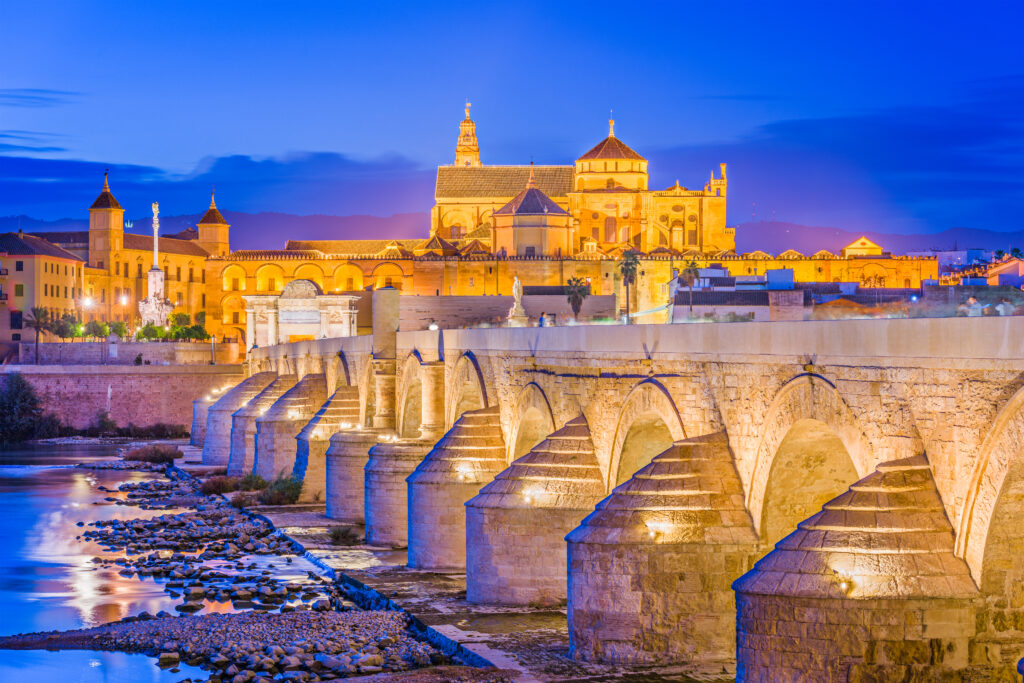
The 13th and 14th centuries saw more construction as Ferdinand III and Alfonso XI constructed new fortifications such as the Alcázar de los Reyes Cristianos. In the 16th century, Medina Azahara was built as a royal palace complex that still stands today. The 19th century brought about a period of decline for Córdoba until it was designated a UNESCO World Heritage Site in 1984. Today it is home to some of Spain’s most stunning Roman ruins including Calleja de las Flores and Plaza de la Corredera and it also boasts one of Europe’s oldest surviving bridges – Puente Romano – which dates back to the 2nd century AD.
Córdoba’s vibrant and long-lasting history is truly remarkable, and its ability to remain intact throughout the centuries is a testament to its importance. Be sure to check out our next section for key facts about this beautiful Spanish city!
Key Facts
1. Córdoba is the capital of Argentina’s province of the same name, located in the center-north of the country.
2. The city has a population of over 1.4 million people and is an important cultural, educational and industrial hub for Argentina.
3. Córdoba was founded in 1573 by Spanish conquistador Jerónimo Luis de Cabrera and is one of Argentina’s oldest cities.
4. The city is renowned for its stunning Spanish colonial architecture and quaint cobbled streets, as well as its vibrant nightlife scene which includes plenty of bars and restaurants to suit all tastes.
5. Córdoba is home to many prestigious universities such as Universidad Nacional de Córdoba and the Catholic University of Argentina, making it a popular destination among students from across Latin America.
6. The city hosts numerous annual festivals and events such as Semana Santa (Holy Week) every April, Los Sueños del Milenio (Millennial Dreams) during September/October, Fiesta Nacional del Sol (National Sun Festival) in January, and Fiestas Patrias (Patriotic Holidays) each June 25th – July 9th celebrating Argentine Independence Day on July 9th.
7. When it comes to sports, basketball and professional football are especially popular in Córdoba with local teams Club Estudiantes de Córdoba basketball team and Club Atlético Belgrano being two of the top choices for fans who want to watch their favorite sport live in action .
8. As for shopping options, Boulevard Pueyrredón is one of the best areas for finding clothes boutiques, gift shops, electronics stores, jewelry shops, supermarkets etc., while Mercado Norte needs to be seen to be believed – it stretches over an entire block filled with stalls selling just about anything you could need!
9. From rich culture to delicious cuisine (try locro stew or empanadas!), picturesque sights like Cerro de las Huarpes mountain range or Valle de los Climas valley to marvelous classical music performances taking place at Teatro Libertador theater – there’s plenty reasons why Cordoba should definitely be on your travel list if you’ve yet to visit this wonderful city!
History of Roman Rule in Córdoba
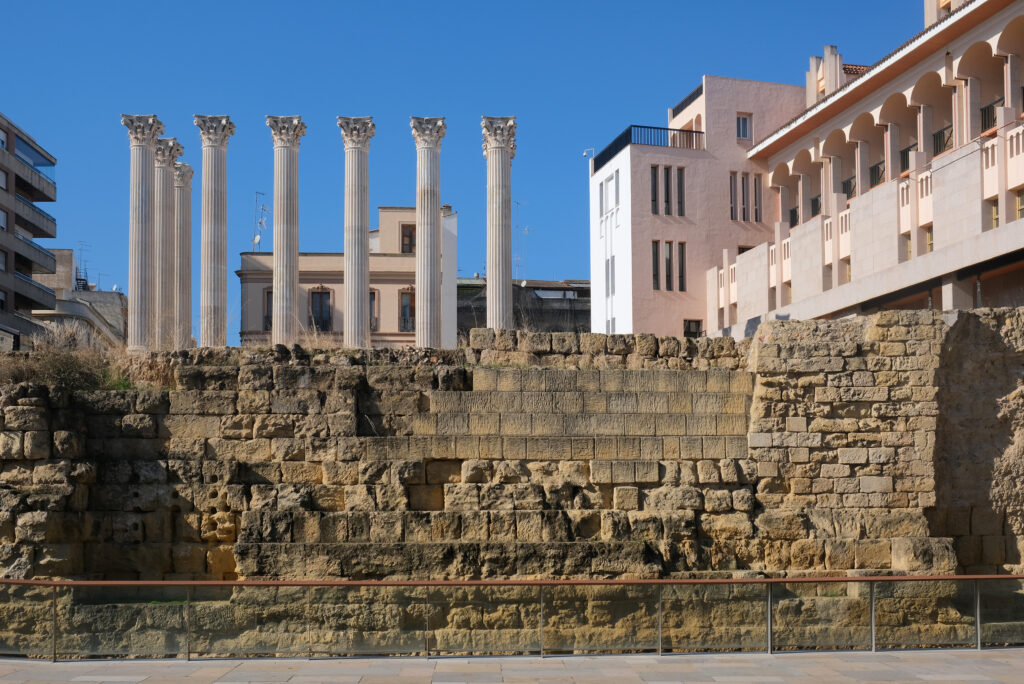
Córdoba, in the Andalusian region of southern Spain, has a rich and vibrant history that dates back centuries. It was first inhabited by the Romans in the 1st century BC, who made it an important trading post. During this period, Córdoba saw immense growth and development which is evidenced in its many historical monuments like Calleja de las Flores and Plaza de la Corredera.
The city’s Roman heritage is also evident in Puente Romano – one of Europe’s oldest surviving bridges – which was constructed during the 2nd century AD. As Christianity and Islam began to spread through Córdoba, its rulers created fortifications, palaces and royal stables during the 8th to 16th centuries. One of these constructions was Medina Azahara, built by Caliph Abd ar-Rahman III between 936-976 AD as his new capital.
In 1984, Córdoba’s unique cultural heritage earned it a place on UNESCO’s World Heritage List. Today visitors can explore its impressive monuments such as Ferdinand III’s Alcázar de los Reyes Cristianos or Alfonso XI’s Puerta del Puente as well as its stunning 19th century architecture and captivating 20th century streetscapes. Córdoba truly is a must-see destination for anyone interested in experiencing Spain’s ancient Roman legacy!
Córdoba is a stunning example of history and culture preserved in time. Its monuments, architecture, and streetscapes tell the story of its vibrant past, making it an invaluable destination for anyone looking to experience Spain’s rich Roman legacy. Ready to explore even further? Discover Córdoba’s early history from the 1st – 3rd centuries CE!
Early History: 1st – 3rd Century CE
The early history of Córdoba dates back to the 1st century BC, when it was inhabited by the Romans who saw its potential as an important trading post. During this period, many monuments and buildings were constructed, including Puente Romano – one of Europe’s oldest surviving bridges – which was built during the 2nd century AD. As Christianity and Islam began to spread through Córdoba in later centuries, fortifications and palaces were also constructed such as Medina Azahara by Caliph Abd ar-Rahman III between 936-976 AD.
This rich heritage is evidenced in the city’s impressive monuments such as Ferdinand III’s Alcázar de los Reyes Cristianos or Alfonso XI’s Puerta del Puente. The Roman influence is still visible today in Córdoba’s captivating streetscapes and architecture from centuries past that have been carefully preserved throughout time. Ready to explore even further? Experience history first hand and discover Córdoba’s early Roman legacy from the 1st – 3rd centuries CE!
The Christian Kings: 8th – 13th Century CE
Córdoba’s Christian Kings period (8th – 13th century CE) was a time of great transformation for the city. During this period, Córdoba was under the rule of several Christian kings, who brought with them new beliefs, customs, and architecture. These rulers left an indelible mark on the city, building impressive fortifications such as the Alcázar de los Reyes Cristianos and adding to its cultural heritage with churches like San Bartolomé and Santa María la Mayor.
These centuries were also marked by monumental changes in artistry, literature and science. At this time, Córdoba was home to some of Europe’s most important libraries and was renowned for its advances in both mathematics and astronomy. In addition to all this intellectual activity, visitors can still experience the remnants of this era in Córdoba today through its grand churches, beautiful mosaics adorning many buildings and monuments as well as magnificent gardens like Calleja de las Flores.
Decline and Reconstruction: 14th – 16th Century CE
The 14th to 16th centuries saw much decline and reconstruction in Córdoba. The city was devastated by multiple wars, plagues, and famine during this period, leading to its gradual decline. In 1328, a devastating flood destroyed the Great Mosque of Córdoba, while the 15th century saw a series of military invasions that left the city in ruins.
However, this period also saw some attempts at reconstruction. In 1481, Ferdinand III of Castile took control of the city and set about rebuilding its fortifications. He also ordered for the construction of the Puerta del Puente (Gateway to the Bridge) which still stands today as one of Córdoba’s most iconic monuments.
In 1502, King Alfonso XI ordered the construction of Medina Azahara – an immense palace complex located just outside Córdoba’s walls – which served as an important reminder of Moorish grandeur.
This same period also saw a revival in religious architecture with churches such as Santa María de la Asunción (1580) and San Miguel (1582). By 1613, Córdoba had regained its former splendour with several monuments restored or reconstructed such as Plaza de la Corredera and Puente Romano (Roman Bridge). Today, these monuments are still standing reminders of both decline and reconstruction during this turbulent period in Córdoban history.
Famous Roman Monuments in Córdoba
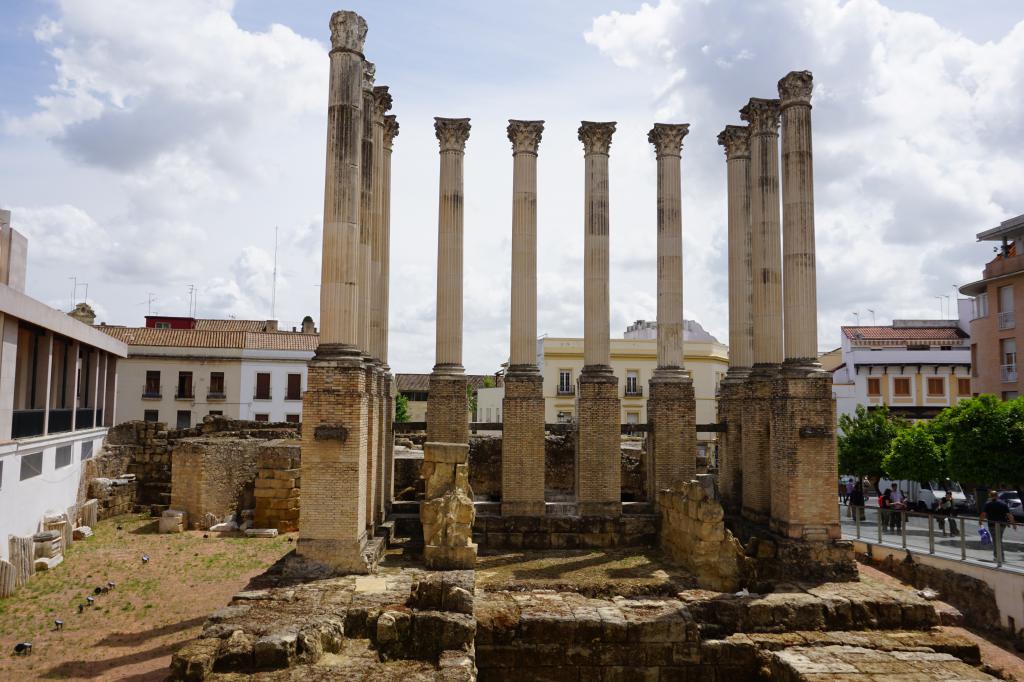
Córdoba is a city steeped in history, with many Roman monuments still standing today. From the iconic Puerta del Puente (Gateway to the Bridge) to the ancient Roman bridge and grand palace of Medina Azahara, there’s no shortage of impressive sites to explore.
The most famous and well-preserved monument is the Calleja de las Flores (Alley of Flowers), an alleyway lined with colorful flowerbeds and built during the 1st century CE. The stunning mosaics that line its walls still amaze visitors today.
The Alcázar de los Reyes Cristianos is another must-see site for anyone visiting Córdoba. Built in 1328 as part of King Alfonso XI’s reconstruction efforts, this fortress was once used by Christian kings as their royal residence. Inside, you’ll find lush gardens and grand courtyards surrounded by centuries-old walls.
Finally, the 2nd century Roman theatre and amphitheatre provide great insight into the city’s past. These impressive structures have been beautifully preserved over time, making them perfect spots to take a step back in history.
All these monuments are now listed on UNESCO’s World Heritage Sites list, highlighting their importance in preserving Córdoba’s rich cultural heritage. Whether you’re interested in Roman ruins or looking to explore a piece of history, Córdoba has something for everyone!
Córdoba is a city full of culture, history, and beauty. From the Calleja de las Flores to the Alcázar de los Reyes Cristianos, there’s no shortage of incredible sites to explore. So come experience Córdoba for yourself and discover its many monuments! And stay tuned for more on Córdoba’s famous ruins!
Famous Ruins in Córdoba
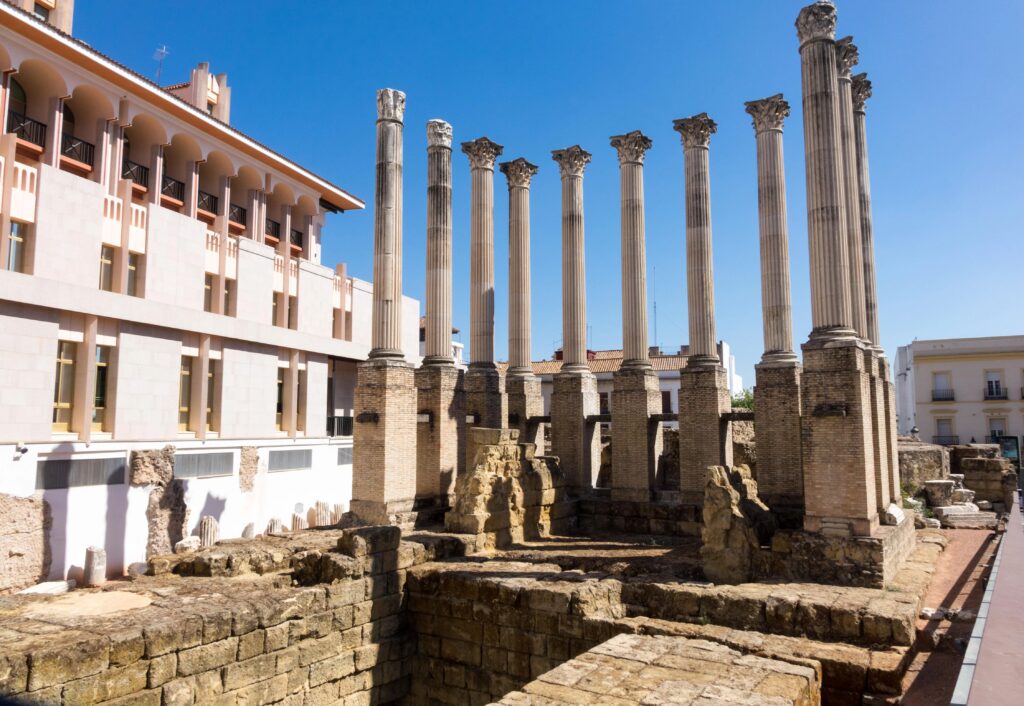
Córdoba is a city with a rich and diverse history. It’s home to some of the most famous ruins in Spain, many of which date back centuries. Start your exploration with the 8th century Plaza de la Corredera, an open-air square located in the heart of Córdoba’s historic centre. Here you’ll find beautiful orange trees, fountains, and plenty of cafes and restaurants to explore.
Then head over to the UNESCO World Heritage Site, Medina Azahara. This 10th century palace was once home to the Caliphate of Cordoba but now stands as a majestic ruin surrounded by lush gardens and courtyards. Visit next door for even more ruins from the 13th century – Ferdinand III’s Royal Stables!
No visit would be complete without seeing Córdoba’s iconic Roman Bridge (Puente Romano). Built in the 1st century CE, this bridge has been standing for over 2,000 years and is still used today! Of course, don’t forget about other great sites like the 14th century Alcázar de los Reyes Cristianos or 16th century Plaza de las Tendillas.
If you’re looking for an unforgettable experience, head to Córdoba and explore its incredible ruins! From ancient monuments to grand palaces, there’s something here for everyone!
From its iconic Roman Bridge to the breathtaking ruins of Medina Azahara, Córdoba is truly a feast for the eyes and an experience you won’t soon forget. Get ready to be dazzled as we explore even more of this amazing city with a look at some of its famous mosaics!
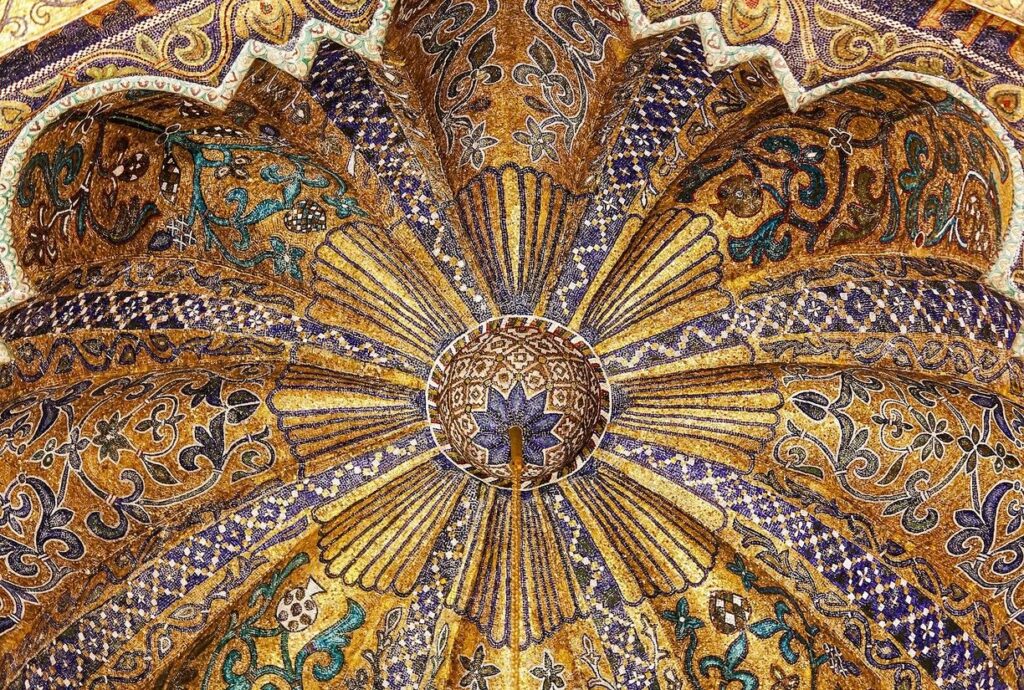
Famous Mosaics in Córdoba
Córdoba is home to some of the most amazing mosaics in Spain. From the 19th century Calleja de las Flores to Alfonso XI’s Puerta del Puente, there are plenty of stunning pieces to explore. Take a stroll through the picturesque streets and uncover hidden gems like the 13th century Calleja de los Gitanos mosaic or the 17th century Mosaic of San Rafael.
One particular highlight is the 2nd century Roman mosaic found at Medina Azahara, which was once part of an ancient palace. This vibrant piece features intricate geometric patterns and is surrounded by lush gardens, making it a perfect spot for a photo opportunity.
The best part about visiting Córdoba is that you can get up close and personal with these beautiful works of art! Take your time to really appreciate all the different details each one has to offer – you won’t be disappointed! Whether you choose to take a guided tour or explore on your own, make sure you don’t miss out on these breathtaking mosaics while visiting this Andalusian city!
As you get lost in the beauty of Córdoba’s mosaics, you will find yourself marveling at the craftsmanship and skill that have gone into creating these masterpieces. No matter which ones you decide to explore, you won’t regret it! Now, let’s head to the conclusion section and see how we can bring this journey full circle.
Conclusion
Córdoba’s Roman heritage is well-preserved in its many monuments, ruins and mosaics. Its rich history dates back to the 1st century BCE when it was under Roman rule, and can be seen in its 8th century Mosque of Córdoba, 10th century Royal Stables and 20th century Plaza de la Corredera. Andalusian culture has also left its mark on the city with Ferdinand III’s Alcázar de los Reyes Cristianos as well as the 14th and 16th centuries Puente Romano.
Today, Córdoba is a UNESCO World Heritage Site and a must-visit destination for anyone interested in Spanish architecture and culture. From exploring its breathtaking mosaics to wandering through lush gardens, this Andalusian city offers something for everyone. Whether you opt for a guided tour or explore by yourself, don’t miss out on all that Córdoba has to offer.

Neil James
Neil James is a British expat who is a long term resident of Spain. He has traveled the country extensively.


