Best Attraction in Avila, Spain
Are you planning a trip to Avila, Spain and wondering what attractions are worth visiting? Look no further! I have found the best attraction in Avila that you won’t want to miss.
Avila is known for its well-preserved medieval walls, but there’s another attraction that is just as impressive. This attraction is not only rich in history but also offers breathtaking views that will leave you in awe.
In this article, I will introduce you to the best attraction in Avila, Spain and provide you with all the details you’ll need to plan your visit.
Notable Attractions in Avila
Avila is a breathtakingly beautiful city located in the Autonomous Community of Castile and Leon in central Spain. With its well-preserved 11th and 12th-century Romanesque churches, towering Gothic Cathedral, and medieval walls, Avila is a prime example of a historic Spanish city. Not only that, but it’s also home to a UNESCO World Heritage Site and has been the birthplace of famous figures such as St. Teresa of Avila and King Alfonso VI. In this article, we’ll be exploring the best attractions in Avila, Spain, that you simply can’t miss.
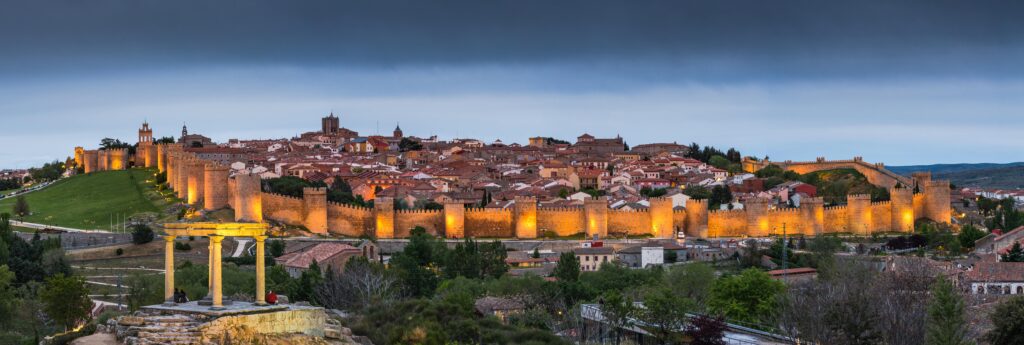
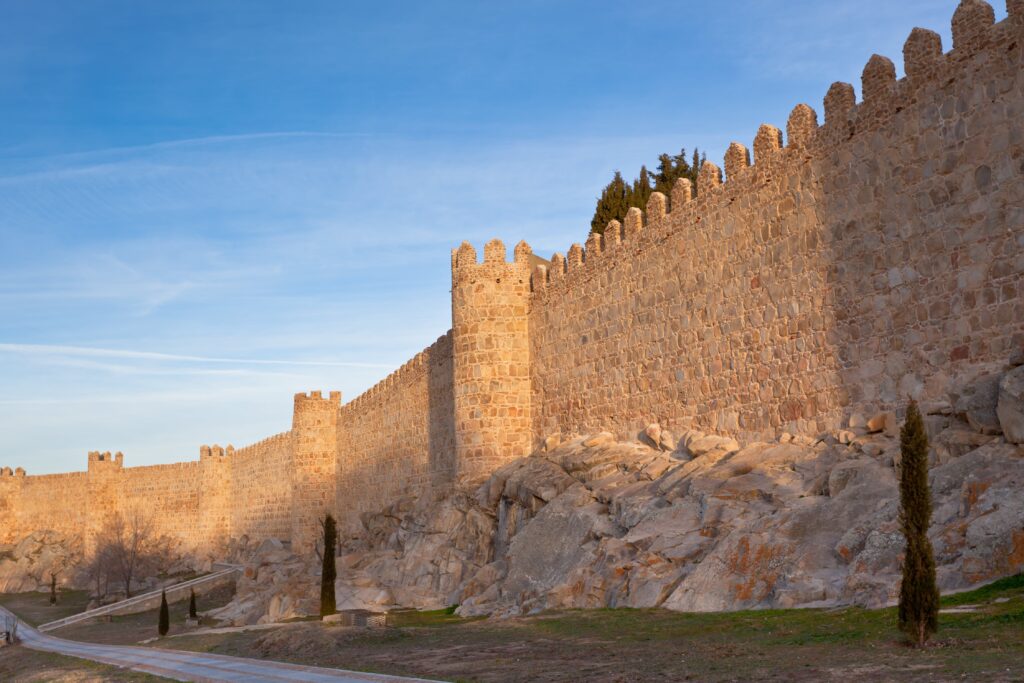
Walls of Avila
The Walls of Avila are one of the most notable medieval fortifications in Spain, and they have stood the test of time remarkably well. These imposing walls, originally constructed in the 11th century, were designed as a defensive installation to protect the city from enemy forces. Today, they provide visitors with a glimpse into Spain’s past and offer stunning views of the surrounding area.
Constructed under the reign of Alfonso VI, the Walls of Avila are almost 3 kilometers long, about 12 meters high, and feature eighty-eight towers and nine gates. These dimensions make them one of the most extensive city walls in the world. Their thick stone foundations were meant to protect the city from siege weapons such as battering rams or catapults.
Visitors to the Walls of Avila find many reasons to experience their grandeur. One of the most compelling reasons is the stunning view of the picturesque city and beautiful surrounding hills from the top of the walls. The towers and gates offer visitors a chance to explore the fortification from within while preserving the structures for future visitors.
Moreover, the walls have undergone efforts to preserve their weather-damaged condition over the years. The city of Avila works continually to make sure these structures remain charming and informative. Thanks to these preservation efforts, the Walls of Avila have been designated a UNESCO World Heritage site, which solidifies their cultural significance.
The Walls of Avila are an essential destination for anyone interested in Spain’s medieval history. With their vast scale, magnificent gates, and sturdy towers, these walls offer insight into the ingenuity and engineering skills of medieval-era craftsmen. Whether you’re a history buff, architecture enthusiast or simply seeking a breath of fresh air, the Walls of Avila are sure to leave a lasting impression.
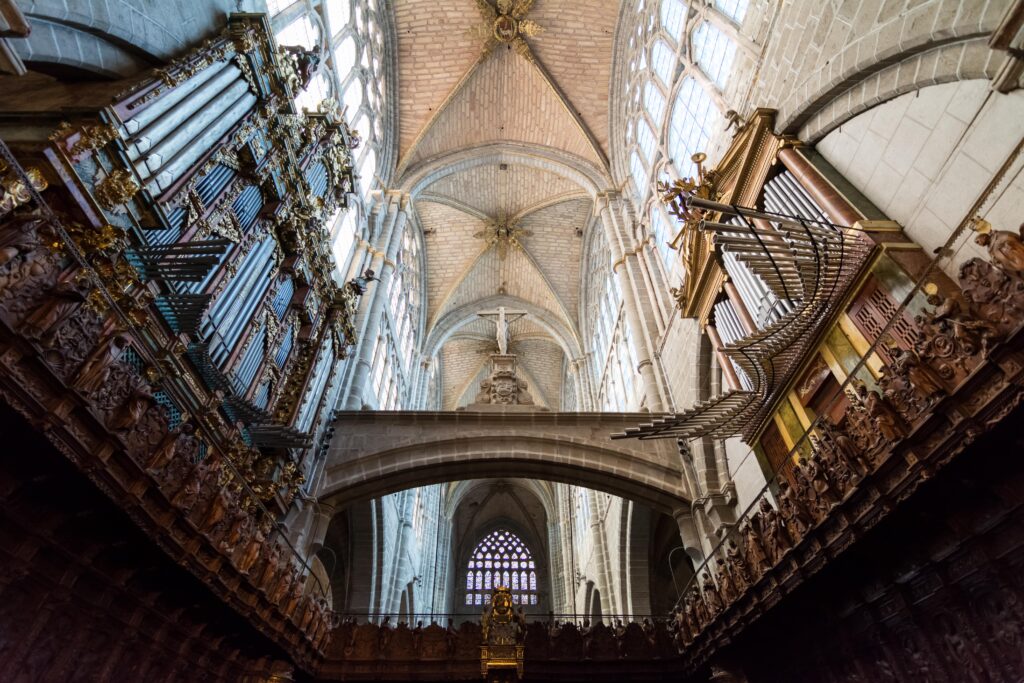
Avila’s Cathedral
Avila’s Cathedral is a stunning example of the city’s combination of religious and military architecture. This imposing structure was designed not only as a place of worship but also as a defensive stronghold, with its apse forming one of the turrets of the city walls.
Constructed in the 11th century, the cathedral’s initial design was a Romanesque style, with later renovation work reflecting Gothic influences. The Gothic characteristics of the cathedral can be seen in its soaring vaults, intricate stone tracery, and ornate windows. Notably, Avila’s Cathedral also shares some similarities with the Church of St. Denis in France.
Considered Spain’s oldest Gothic cathedral, the building’s construction began in 1091, and it was not completed until the 14th century. The cathedral’s long construction period imbued it with unique features and architectural styles, including a mix of Romanesque and Gothic styles.
Despite being smaller compared to other cathedrals in the country, Avila’s Cathedral’s size and fortress-like appearance are striking. The stone façade, with its towers and battlements, gives the cathedral a solid and protective air, suggesting its function as a fortification as well as a place of worship.
The cathedral also boasts stunning interior decorations and artworks. The high altar and the choir stalls, in particular, are impressive pieces of Renaissance carving and design.
Avila’s Cathedral is an architectural masterpiece with a rich history and unique conception. Its status as Spain’s oldest Gothic cathedral, its combination of Romanesque and Gothic styles, and its dual function as a place of worship and fortification make it a must-visit attraction for anyone interested in the intersection of religion and military design.
Basilica de San Vicente
Dating back to the 11th century, the Basilica de San Vicente is one of the oldest structures in Ávila. This historical Romanesque church is particularly notable for its Gothic influences, which can be seen in its ornate arches and intricate stone carvings.
The structure is particularly striking for its three apses, which are adorned with statues and other decorative elements. The central apse is crowned with a beautiful dome, while the two smaller apses are topped with conical roofs.
The Basilica de San Vicente is an important part of Ávila’s cultural heritage and a must-visit location for anyone interested in history and architecture. Its unique Romanesque design with Gothic influences make it a standout feature of the city’s skyline, and its rich history is evident in every stone.
Whether you’re an architecture enthusiast or simply looking to immerse yourself in Ávila’s rich cultural heritage, a visit to the Basilica de San Vicente is one of the best ways to truly experience this beautiful Spanish city.
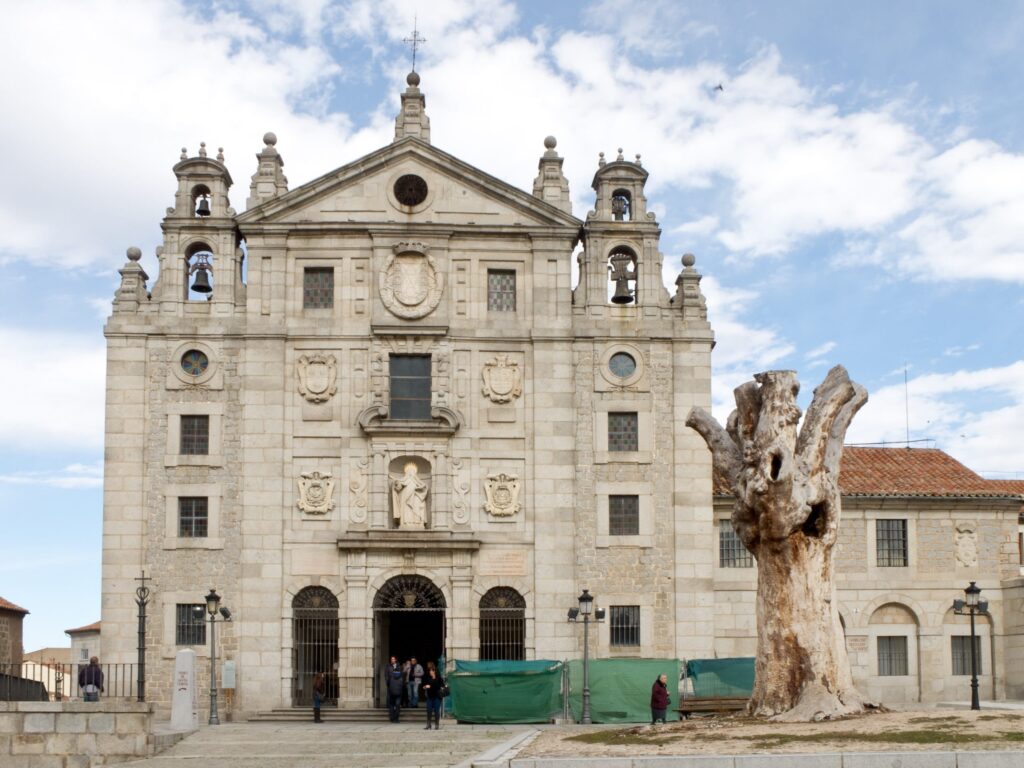
Convento de Santa Teresa
The Convento de Santa Teresa is one of the most remarkable attractions in Avila, Spain. This historic convent, located in the heart of the walled city, was built in the 16th century, just a few decades after the death of Saint Teresa of Avila, a prominent Spanish mystic and writer. It is a beautiful example of Spanish religious architecture, with its impressive façade, intricate stonework, and charming courtyard.
The convent was designed by Rodrigo Gil de Hontañón, a Spanish Renaissance architect, to serve as a shrine to Saint Teresa and a center for the reform of monastic orders. It was built on the site of the saint’s childhood home and incorporates some of the original elements of the house, such as the garden where she used to pray.
One of the most unique features of the Convento de Santa Teresa is its north-facing direction. This was done to shield the nuns from the sun’s heat in the summer months and keep the building cooler. The convent was also built around a central courtyard to allow for maximum air circulation and natural light.
Inside the convent, visitors can explore the vaulted crypt that houses a museum devoted to the life and works of Saint Teresa. This museum is an essential part of the convent’s heritage and houses some of her most precious artifacts, such as her prayer book and her pen.
While the entire convent is noteworthy, there are two places that visitors should not miss. The first is the chapel, which is adorned with exquisite polychrome statues and beautiful frescoes. The second is the room where Saint Teresa was born, which has been carefully preserved to give visitors a sense of what life was like in 16th century Spain.
The Convento de Santa Teresa is a must-visit location for anyone interested in the history of Spanish religious architecture and the life and works of Saint Teresa. Its unique north-facing design, impressive museum, and well-preserved chapel and room where Saint Teresa was born make it an indispensable part of Avila’s cultural heritage.
Plaza del Mercado Chico
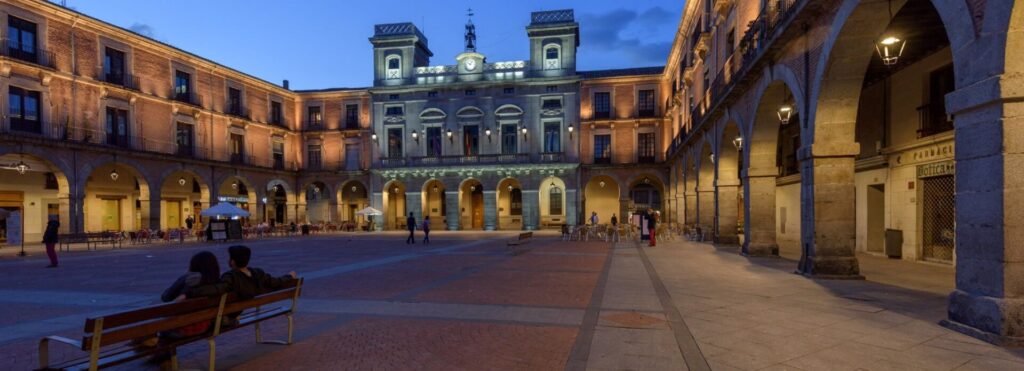
Plaza del Mercado Chico is a picturesque and historical square located in the heart of Avila, Spain, and is considered one of the city’s most significant landmarks. The square dates back to the 12th century and was initially used as a marketplace. Over time, it has evolved into a popular gathering place for locals and tourists alike.
One of the essential landmarks around the Plaza del Mercado Chico is the impressive Town Hall with its Gothic-style architecture. The San Juan Church, an impressive church with a Romanesque façade, is also situated nearby. Visitors can enjoy a variety of cafes, bars, and restaurants surrounding the square, offering an array of traditional Spanish cuisine and drinks.
Furthermore, the Plaza del Mercado Chico hosts the annual Market of the Three Cultures festival on the first weekend in September. The festival celebrates the city’s multicultural history and is a tribute to the coexistence of Jews, Christians, and Muslims in medieval Spain. The festival has a medieval theme, and visitors are transported back in time, experiencing medieval music, food, and parades. The event features medieval gastronomy available at food stalls situated throughout the square. The festival attracts visitors from all over the world, making it a popular attraction and cultural event.
The Plaza del Mercado Chico is a historical landmark and a central gathering place for residents and tourists. The variety of cafes, bars, and restaurants surrounding the square offers a vast array of cuisines and drinks for visitors to enjoy. The annual Market of the Three Cultures festival is a significant event, portraying medieval Spanish culture with its shows, parades, and medieval gastronomy. The Plaza del Mercado Chico is a must-visit spot in Avila, Spain.
Capilla de Mosén Rubí
The Capilla de Mosén Rubí is a small yet stunning chapel located at the northwest corner of the Plaza del Mercado Chico in the heart of Ávila, Spain. It was constructed in the 12th century and was originally a private chapel for the Rubí family, one of the noble families who owned the land in the area.
The chapel has undergone several renovations and redesigns, particularly during the 16th and 17th centuries. Its interior is adorned with beautiful religious art, including an impressive altarpiece with the Cristo de las Batallas, a thirteenth-century crucifix that depicts Jesus with his eyes open. Its intricate details and vibrant colors make it the highlight of the chapel’s decoration.
Aside from its notable interior, the Capilla de Mosén Rubí has an interesting history that adds to its charm. Rumors have circulated that the chapel was once a synagogue during medieval times. Although there is no concrete evidence to back up this claim, the chapel’s design and location support the possibility that it might have been used as a place of worship for Jewish communities.
Today, the Capilla de Mosén Rubí remains a prominent attraction in Ávila, drawing visitors from all over the world. The chapel is open to the public, and tourists can visit to see its impressive interior and learn about the history of the area. Its charming design and fascinating backstory make it a must-see destination for anyone visiting Ávila.
Palacio de Polentinos
Avila, Spain is home to a wealth of historic sites and architectural marvels, including the Palacio de Polentinos. Located in Plaza Corral de las Campanas, this 15th-century palace is one of the city’s main attractions.
The Palacio de Polentinos is a true testament to Gothic and Renaissance architecture, with a stunning exterior that features expertly crafted ornamented windows, coffered ceilings, and sculpted figures. The palace was built by several prominent figures in Spanish society, including the bishop of Avila and several distinguished noblemen.
But it’s the interior of the Palacio de Polentinos that truly takes one’s breath away. A central courtyard greets visitors with intricate archways and Gothic elements, leading to a grand staircase that is nothing short of majestic. The palace’s Chapel of San Ildefonso boasts beautifully preserved frescoes, while the museum within showcases an impressive collection of art and artifacts.
Whether you’re a history buff or simply appreciate stunning architecture, the Palacio de Polentinos is a must-visit destination in Avila, Spain. So why not take a step back in time and admire this stunning example of Gothic and Renaissance design?
Palacio Los Serrano
Palacio Los Serrano is one of the most significant historical buildings in the charming city of Avila, Spain. Built-in the 16th century, the palace is renowned for its stunning Spanish Renaissance architecture. It was designed by Rodrigo Gil de Hontañón, an architect who worked on several other monumental buildings in Spain during the same period.
Palacio Los Serrano has hosted many notable personalities throughout its history. Among them, it provided a facility for housing the Spanish kings and queens when they visited Avila. Also, famous military leaders, poets, and writers frequented the palace.
The interior of this noble palace is adorned with a stunning collection of artworks, including oil paintings, superb decorative ceilings, elaborate plasterwork, luxurious furnishings, and exquisite wooden carvings. The palace’s most notable artwork is the remarkable coffered ceiling in the Salón de los Tapices, featuring intricate geometric designs and vibrant colors.
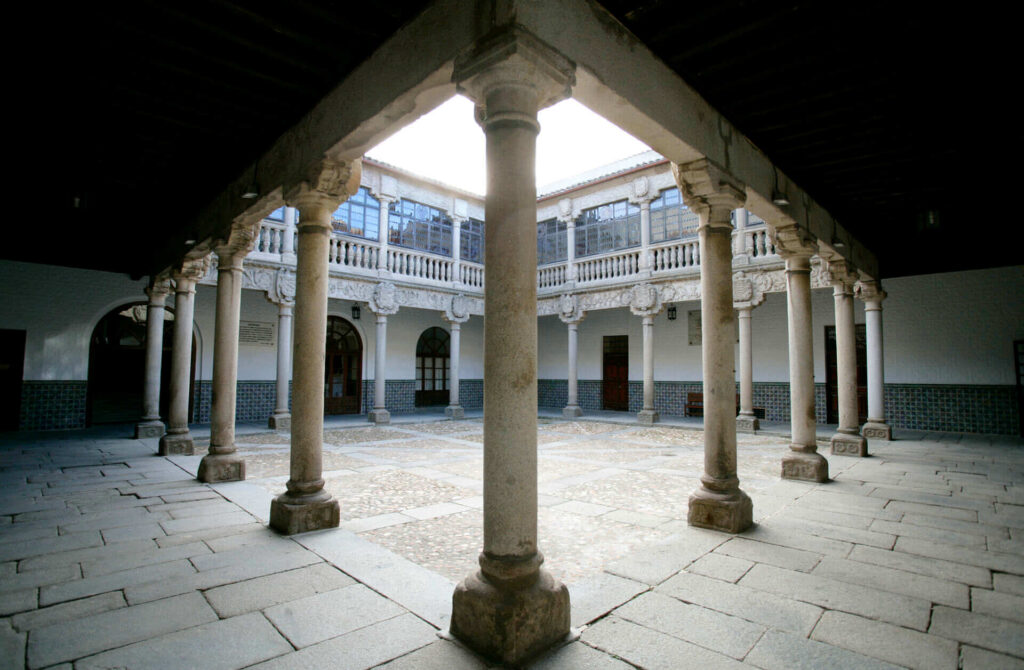
Palacio Los Serrano is also famous for its impressive courtyard and gardens. The courtyard boasts several ornate arches and pillars and is surrounded by beautiful fruit trees. The palace gardens are a testament to the art of gardening, complete with fountains, ponds, and well-manicured lawns. The gardens provide a perfect setting for relaxing and enjoying the beautiful views of the city.
Palacio Los Serrano is a masterpiece of Spanish Renaissance architecture and one of the most significant historical buildings in Avila. A visit to this palace is a must-do activity for every traveler visiting Avila to experience and immerse themselves in the rich architectural and cultural heritage of Spain.
Conclusion
In conclusion, Avila, Spain is a must-visit destination for anyone interested in exploring the rich history and culture of this beautiful city. The city’s notable attractions, including the Avila Cathedral, the Basilica de San Vicente, the Convento de Santa Teresa, and the Walls of Avila, provide visitors with a glimpse into the city’s past and its significance in Spanish history.
The Avila Cathedral is a true masterpiece of gothic architecture, featuring stunning stained-glass windows and intricate stone carvings. The Basilica de San Vicente is a remarkable example of Romanesque architecture, complete with beautiful frescoes and a stunning bell tower. The Convento de Santa Teresa is another significant attraction, providing visitors with an opportunity to learn about the life and works of Saint Teresa.
One of the city’s most iconic features is the Walls of Avila, a 2.5 km long fortified structure that surrounds the walled city and is recognized as a UNESCO World Heritage Site. Visitors can walk along the walls and marvel at the breathtaking panoramic views of the city and the surrounding countryside.

Neil James
Neil James is a British expat who is a long term resident of Spain. He has traveled the country extensively.