Best Attraction in A Coruña
Looking for an exciting destination to add to your travel bucket list? Look no further than A Coruña, a coastal city in the northwest of Spain known for its rich history, stunning architecture, and vibrant culture.
While there are countless attractions to explore in A Coruña, one stands out as a must-see: the Tower of Hercules. This ancient lighthouse has stood watch over the city since the second century AD and has been designated a UNESCO World Heritage Site.
In this article, we’ll take a closer look at why the Tower of Hercules is such a beloved attraction in A Coruña and what makes it a must-visit for anyone traveling to this beautiful city.
Overview of the Best Attractions in A Coruña
Located in the coastal city of A Coruña in northern Spain, you will find a wealth of attractions that highlight the city’s rich history, Galician culture, stunning views, and beautiful beaches. From the iconic Tower of Hercules dating back to the 2nd century to the interactive science museum, there is something for everyone to enjoy in this charming and historic city. In this article, we will explore the best attractions A Coruña has to offer.
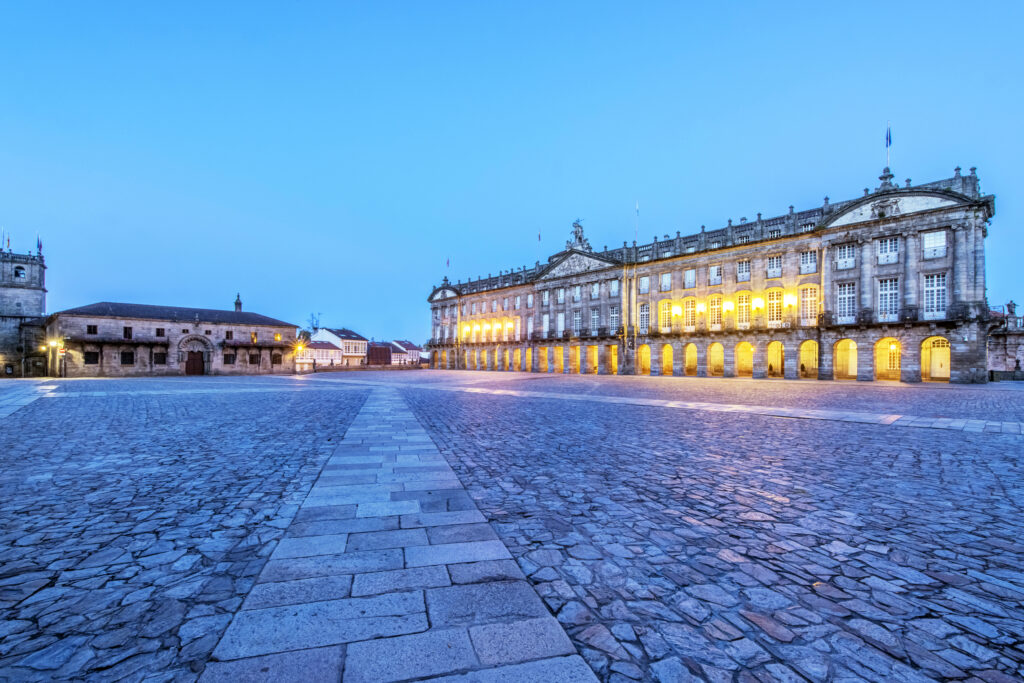
Archaeological Museum of A Coruña
The Archaeological Museum of A Coruña is a must-visit attraction for anyone interested in the rich history of this coastal city in northern Spain. Housed in a 16th-century fortress, this museum is full of prehistoric and historical pieces that shed light on the past of A Coruña and Galician culture.
Visitors can explore the museum’s different sections, each dedicated to a different period of history. The ground floor, for example, is solely dedicated to archeology and features a vast collection of artifacts that tell the story of A Coruña’s past. The museum’s permanent collection includes artifacts that date back to the 2nd century, demonstrating the rich history of this city.
One of the highlights of this museum is undoubtedly the protohistoric goldwork collection. The intricate pieces on display showcase the skills of ancient artisans and demonstrate the cultural significance of gold in centuries past. Another section that is not to be missed is the Roman artifacts display, where visitors can marvel at the everyday objects used by the Romans during their occupation of the Iberian Peninsula.
Located in the heart of the city center, the Archaeological Museum of A Coruña is not only a cultural gem but an excellent example of modernist buildings incorporated within historic sites. Visitors will be impressed by the elegant glass windows that reflect the surrounding buildings, providing a modern contrast that complements the historic structure.
If you are fascinated by the rich history of A Coruña and its surrounding areas, a visit to the Archaeological Museum of A Coruña is a must-see. With stunning artifacts, displays, and interactive exhibits, this museum offers a window into the past that is not to be missed.
Picasso House-Museum
The Picasso House-Museum is a must-visit attraction in A Coruña, not just for art enthusiasts and Pablo Picasso fans, but for anyone interested in the city’s cultural heritage. Located in the same house where Picasso and his family lived for four years during his childhood, the museum provides visitors with an insight into the early life of the artist while fostering a deeper appreciation for his creative development.
The museum’s galleries and exhibits feature a wide array of Picasso’s early works, paintings, and drawings, as well as personal memorabilia, including his study desk. Visitors can explore the different rooms of the house, each dedicated to showcasing different periods and styles of Picasso’s art, from his initial training in traditional techniques to his more avant-garde works.
Aside from its impressive collection, the Picasso House-Museum is itself a historical treasure, preserving the home where the young artist once lived. The house’s architectural features, such as the glass galleries and balconies, are a testament to Picasso’s creative genius, which even at a young age, drew inspiration from his surroundings.
The museum is open from Tuesday to Sunday, from 10 am to 8 pm, with the last admission at 7 pm. Admission fees are 3 euros for adults, 2 euros for students and groups, and free for children under 12 years old. The museum offers accessibility options, with guided tours and audio guides available in different languages.
The Picasso House-Museum is a unique and invaluable addition to A Coruña’s cultural heritage, allowing visitors to delve into the early works and life of one of the most famous artists in history.
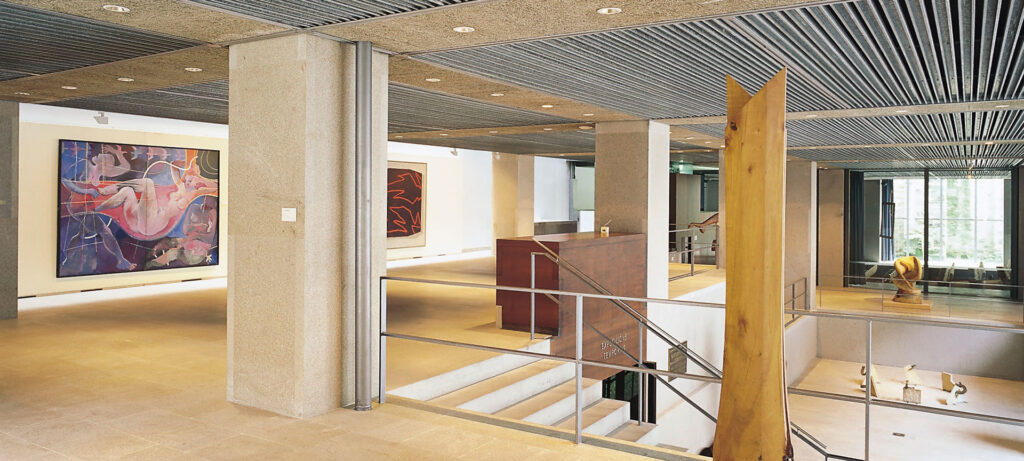
San Carlos Gardens
San Carlos Gardens, a historical-artistic complex located along A Coruña’s walls, is a must-visit attraction for nature lovers and history enthusiasts alike. The gardens feature a remarkable panoramic view of the port, making it one of the best vantage points in the city.
Originally constructed as a defensive castle in the 14th century, San Carlos Gardens has since transformed into a tranquil oasis featuring diverse tree species, including both native and exotic varieties. The garden’s landscape design provides a perfect blend of natural beauty and historical significance.
The gardens’ location along the city walls makes it a prime location for viewing the port. Visitors can soak in a breathtaking view of the harbor and the vast Atlantic Ocean beyond. The relaxing ambience of the gardens provides an ideal spot for taking a leisurely stroll or enjoying a picnic amidst the lush greenery.
Adjacent to the gardens is the Archive of the Kingdom of Galicia, adding to its cultural significance. The archive houses historical documents and records of the Kingdom of Galicia, dating back to the 16th century. It is an incredible resource for cultural enthusiasts and researchers alike, providing insight into the rich history of the region.
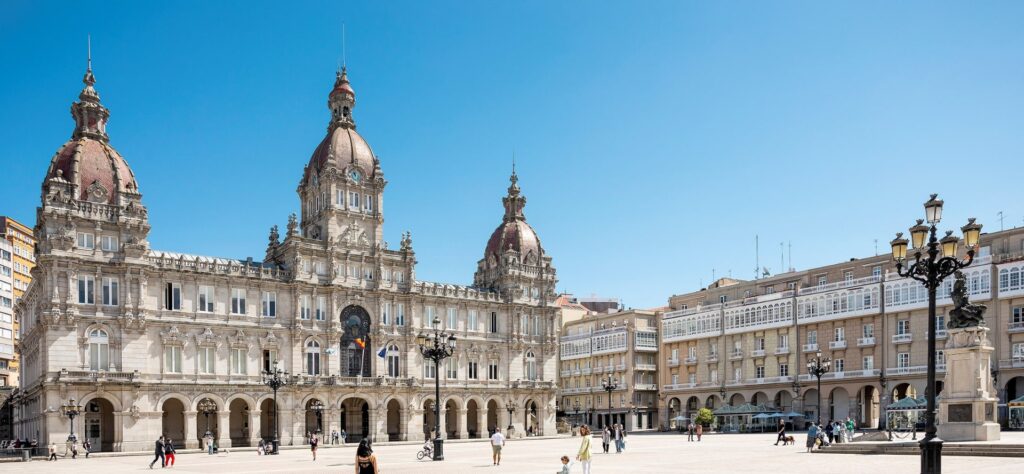
Maria Pita Square
Maria Pita Square is one of the most significant attractions in A Coruña with a rich history and cultural significance. The plaza is named after Maria Pita, a brave heroine who defended the city during the war against the English Armada in the 16th century. In recognition of her valor and bravery, a monument was erected in the square to honor her contribution towards defending the city.
The square itself is an excellent representation of Galician architecture, featuring an impressive display of architectured buildings and galleries. The Palace of Council, situated on one end of the square, is a gorgeous building that stands out with its beautiful glass balconies and ornate details. It is one of the most notable structures in the city that showcases the typical Galician architectural style from the 20th century.
Apart from the Palace of Council, there are several other fascinating facades visible from all directions, making it a perfect spot for architecture enthusiasts. Moreover, the proximity of the Iglesia de San Jorge, an impressive 18th-century church located nearby, adds to the allure of the area.
The square is not only recognized for its historical and architectural significance but also for its cafes, where visitors can relax and enjoy a refreshment while taking in the stunning views around them. The charming atmosphere of the plaza provides an excellent location for spending a leisurely day, admiring the magnificent architecture and relishing the rich history of A Coruña.
Maria Pita Square is an indispensable attraction in A Coruña, brimming with cultural and historical significance. Whether it is the Palace of Council, the monument to Maria Pita, or the cafes, the square offers visitors an opportunity to experience the beauty of the city and an insight into its past.
Tower of Hercules:
One of the most iconic landmarks in A Coruña is the Tower of Hercules, which is the oldest working lighthouse in the entire world. The Tower has a rich history and has been renovated several times over the years, with the most significant renovation taking place in the 18th century. This renovation was ordered by King Carlos III and was led by the architect Eustaquio Giannini, who gave the tower its current neoclassical appearance.
The Tower’s exterior features a mix of architectural styles, with elements from both Roman and Baroque periods. Its interior, however, is just as impressive, with the original Roman ruins still visible today. Visitors can appreciate how the tower has evolved through the centuries by viewing the series of distinct architectural styles on display.
The sculpture park surrounding the Tower of Hercules is also a must-see attraction. The park features a collection of contemporary sculptures that are divided into several thematic areas, such as Galician legends, marine life, and the urban landscape. This creates a unique fusion between the ancient and modern, adding a new layer of cultural significance to the already rich heritage of the Tower.
Notably, the Tower of Hercules has been declared a National Monument of Spain and was included on the UNESCO World Heritage list in 2009. Its enduring resilience and historical importance have made it a true gem in the city of A Coruña. Visitors to the Tower of Hercules are sure to witness its majestic beauty, rich history, and cultural significance firsthand.
4
Conclusion
To conclude, A Coruña boasts a rich history and culture that is reflected in its many attractions. The Tower of Hercules, a UNESCO World Heritage Site, is a top must-see attraction. Its blend of Roman and Baroque architectural styles, along with the surrounding sculpture park, offers a unique experience that celebrates the city’s past and present. The Picasso House-Museum, dedicated to the famous artist, adds another layer of artistic significance to the city. Meanwhile, Maria Pita Square, named after a local heroine, is a historic landmark that has played an important role in the city’s history.
The San Carlos Gardens is a beautiful green space that offers a tranquil escape from the hustle and bustle of the city center. Its impressive collection of plant species, fountains, and monuments make it a popular spot for locals and tourists alike. The Archaeological Museum of A Coruña is another highlight, exhibiting artifacts from various historical periods in the city’s past. The museum’s interactive exhibits bring the history of A Coruña to life, engaging visitors in the city’s fascinating past.
These attractions are a testament to A Coruña’s rich history and cultural heritage, and they are definitely worth visiting. Each one is unique, offering visitors a chance to explore various aspects of the city’s past and present. So, if you’re looking for a destination that combines stunning coastal views with a rich cultural experience, A Coruña is the perfect choice.
Plan your visit to A Coruña today and discover these amazing attractions for yourself. Whether you’re interested in ancient Roman ruins, modern art, or simply relaxing in a beautiful garden, A Coruña has something for everyone. So, come and experience the magic of this wonderful coastal city.

Neil James
Neil James is a British expat who is a long term resident of Spain. He has traveled the country extensively.