
TOP HISTORICAL PLACES IN RONDA SPAIN
Ronda, a city located in the Province of Malaga, Spain is renowned for its rich historical past. From breathtaking natural scenery, to majestic monuments and ruins from the past, Ronda has something for every history buff. With so much to explore, it can be difficult to know where to start. In this article we will explore the top 5 historical places in Ronda that cannot be missed! From the Puente Nuevo bridge overlooking deep gorges below, to the magnificent Royal Palace of Ronda – these places are sure to take your breath away. So if you’re looking for an unforgettable journey through Spanish history and culture – look no further than Ronda!
Background Information on Ronda
Ronda is a city located in the Province of Malaga, Spain and has been inhabited for thousands of years. The city was first settled by the Celts in the 7th century BC and later taken over by the Romans in 206 BC. The Moors conquered Ronda in 713 AD and during their rule they constructed a number of impressive monuments including the famous Puente Nuevo bridge which still stands today. In 1485, King Ferdinand II captured Ronda and it became part of Castile. During this time period, many new structures were built including the Royal Palace of Ronda which is a must-see attraction when visiting the city. Throughout its long history, Ronda has been home to many different cultures and religions which have left their mark on the city’s unique architecture, making it one of Spain’s most beautiful cities.
Ronda is truly a city like no other, with its rich history and incredible architecture. Discover the wonders of Ronda for yourself and see why it has been captivating travelers for centuries! And don’t forget to check out our next section for an overview of the top 5 historical places in Ronda!
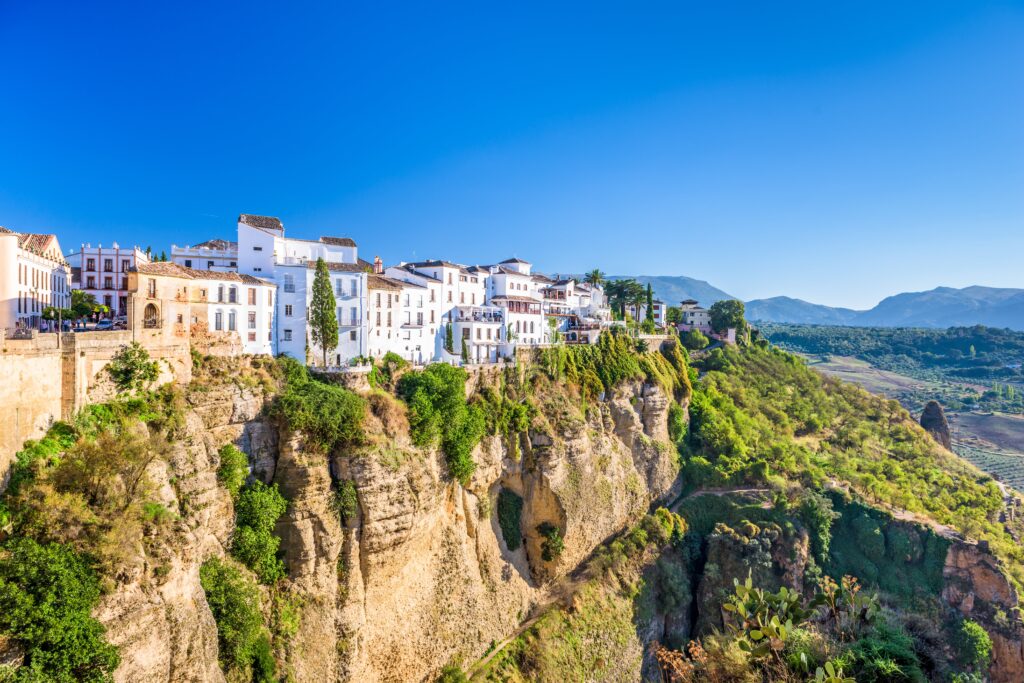
Overview of the Top 5 Historical Places in Ronda
Ronda, Spain is a city steeped in history and culture. As you explore the city, you’ll come across numerous historical places that showcase the city’s rich heritage. Among the most notable historical places in Ronda are the Puente Nuevo, the Plaza de Toros, and the Palacio de Mondragón.
The Puente Nuevo, or “New Bridge,” is a famous landmark that spans the El Tajo gorge. It was built in the 18th century and offers breathtaking views of the surrounding countryside. The bridge is a testament to the city’s engineering prowess and is a must-see attraction for any visitor to Ronda.
Another popular historical place in Ronda is the Plaza de Toros, or bullring. This is one of the oldest bullrings in Spain and has been in use since the 18th century. It is also one of the largest bullrings in the country and can accommodate up to 5,000 spectators. Even if you’re not a fan of bullfighting, the Plaza de Toros is worth a visit for its impressive architecture and historical significance.
Finally, the Palacio de Mondragón is a stunning example of Moorish architecture. It was built in the 14th century and served as a residence for various rulers over the centuries. Today, it is a museum that showcases the history of Ronda and the surrounding area. The palace is particularly famous for its beautiful gardens, which feature fountains, courtyards, and orange trees.
These are just a few of the many historical places in Ronda that are worth exploring. Whether you’re interested in architecture, engineering, or history, you’re sure to find something that fascinates you in this beautiful Spanish city.
1. Puente Nuevo
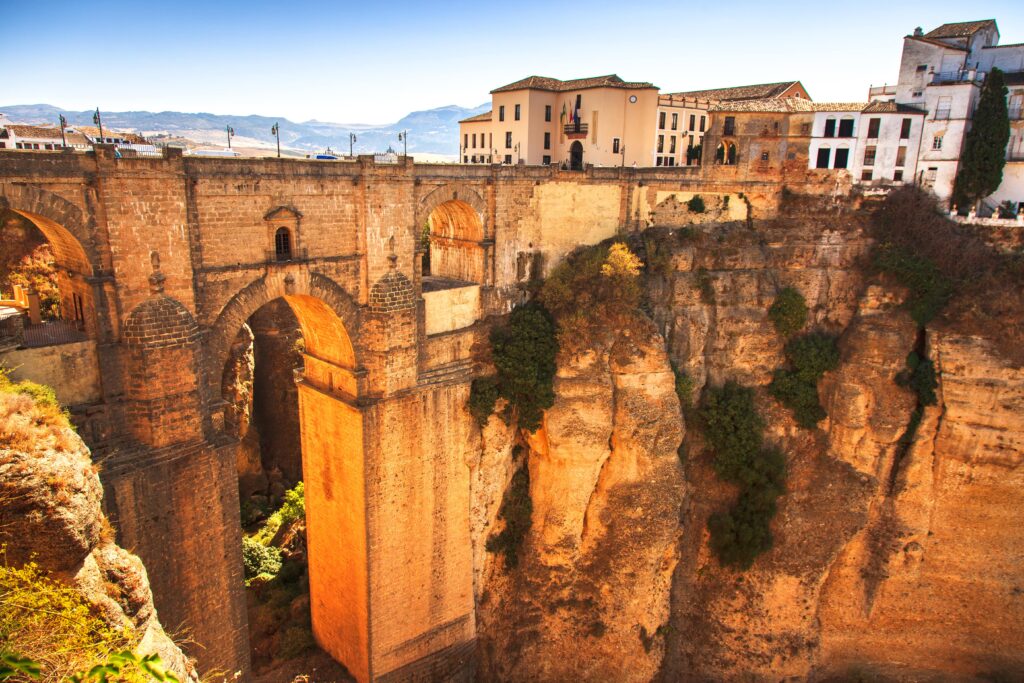
The Puente Nuevo Bridge is a 16th century architectural masterpiece that stands as a symbol of Ronda’s long and fascinating history. It was constructed during the Moorish rule in 1793 and spans across the El Tajo Gorge with panoramic views of the city below. The bridge has three arches, each one taking up to five years to construct. Its design is a combination of Roman and Moorish engineering techniques, creating an impressive structure that stands out among other historical architecture in Ronda.
In addition to its structural beauty, visitors can also enjoy the captivating views from the bridge’s walkways. From here, visitors can spot landmarks such as the old bullring and San Juan Evangelista church.
The Puente Nuevo bridge is an essential part of Ronda’s history and should be experienced by all visitors to truly appreciate the city’s culture and past.
The Puente Nuevo Bridge is an iconic part of Ronda’s history, both for its impressive engineering and the breathtaking views it offers. If you want to learn more about this iconic structure, stay tuned to find out the fascinating history behind it!
History of Puente Nuevo
The Puente Nuevo Bridge is an iconic landmark in Ronda, Spain and a testament to the city’s long and fascinating history. Constructed in 1793 during the Moorish rule, this 16th century architectural masterpiece spans across El Tajo Gorge with breathtaking views of the city below. Its design incorporates both Roman and Moorish engineering techniques, creating an impressive structure that stands out among other historical monuments in Ronda.
The three arches of the bridge each took up to five years to construct, making it one of the most ambitious projects ever undertaken by the Moors. Despite its age, the bridge has stood strong through centuries of wear and tear and remains an important part of Ronda’s history today. From its walkways visitors can spot landmarks such as San Juan Evangelista church as well as enjoy panoramic views of El Tajo Gorge.
As a UNESCO World Heritage Site, Puente Nuevo is a must-see for anyone looking to explore all that Ronda has to offer. It serves as a reminder of Ronda’s rich cultural heritage and is an essential part of any visit to this beautiful Spanish city.
Tourist Attractions of Puente Nuevo
Located in the beautiful city of Ronda, Spain, Puente Nuevo is one of the most iconic tourist attractions in the region. The bridge stands tall over El Tajo Gorge and has been standing strong since its construction in 1793 during the Moorish rule. It is an impressive structure that combines Roman and Moorish engineering techniques, making it a unique architectural masterpiece.
Visitors to Puente Nuevo can enjoy stunning views of El Tajo Gorge from its walkways as well as spot landmarks such as San Juan Evangelista church. It’s also a great place to learn about Ronda’s history, as it serves as an important reminder of the city’s rich cultural heritage. As a UNESCO World Heritage Site, Puente Nuevo is a must-see for anyone exploring all that Ronda has to offer.
From its striking architecture to its breathtaking views, Puente Nuevo is a popular destination for tourists from around the world. Whether you’re looking for a scenic spot to take pictures or want to learn more about Ronda’s past, Puente Nuevo is sure to provide an unforgettable experience.
2. Royal Palace of Ronda
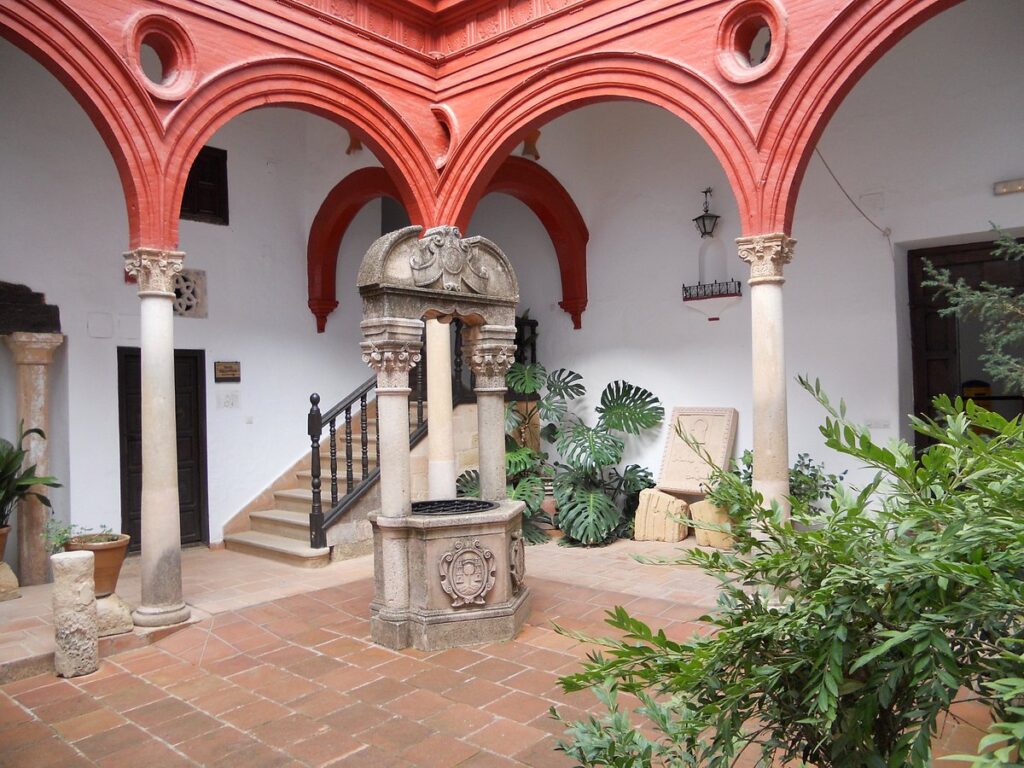
The majestic Royal Palace of Ronda is one of the most iconic landmarks in the city. Built in the 16th century, it was originally an Arabic palace used as a fortress and residence by Mohammed Ben Aben Humeya, who was the last Moorish king of Granada. It has since been renovated and today houses a museum where visitors can learn about Ronda’s fascinating history.
The palace is situated at Plaza Santa Maria del Socorro and boasts stunning panoramic views from its terrace. Inside, visitors can explore its impressive interiors, featuring beautiful courtyards, galleries and halls adorned with ancient frescoes. The palace also houses a library that contains books from different eras, including some dating back to the 17th century.
From its breathtaking location to its captivating architecture, the Royal Palace of Ronda is an essential stop for anyone looking to explore all that this incredible city has to offer. Whether you’re interested in learning more about Ronda’s past or simply want to admire its grandeur, the Royal Palace is sure to provide an unforgettable experience.
The Royal Palace of Ronda is a remarkable testament to the city’s rich history and vibrant culture. With its grand architecture, stunning views, and fascinating interiors, it truly is an unforgettable experience. Get ready to take a journey through time as we explore the history of this majestic palace!
History of the Royal Palace of Ronda
The Royal Palace of Ronda is one of the most iconic landmarks in the city, with a history that spans centuries. The palace was originally built in the 16th century as an Arabic fortress and residence for Mohammed Ben Aben Humeya, the last Moorish king of Granada. It was later renovated and today houses a museum where visitors can learn about Ronda’s fascinating history.
The magnificent building is situated at Plaza Santa Maria del Socorro and boasts breathtaking views from its terrace. Inside, visitors will find an array of beautiful courtyards, galleries, and halls adorned with ancient frescoes. In addition to being an incredible sight to behold, the palace also houses a library containing books from different eras, some dating back as far as the 17th century.
From its breathtaking location to its captivating architecture, the Royal Palace of Ronda is an essential stop for anyone looking to explore all that this incredible city has to offer. Whether you’re interested in learning more about Ronda’s past or simply want to admire its grandeur, the Royal Palace is sure to provide an unforgettable experience.
Tourist Attractions of the Royal Palace of Ronda
The Royal Palace of Ronda is one of the city’s most popular attractions, drawing visitors from all over the world. The palace was originally built in the 16th century and has been restored to its former glory, providing a stunning viewing experience. Visitors can explore the palace’s many courtyards, galleries, and halls adorned with ancient frescoes. The palace also houses a library containing books from different eras, some dating back as far as the 17th century. There are also panoramic views from its terrace that overlooks the city below.
For those looking to learn more about Ronda’s fascinating history, there is a museum inside the palace where visitors can find out more about this beautiful city. From its breathtaking location to its captivating architecture, the Royal Palace of Ronda is an essential stop for anyone looking to explore all that this incredible city has to offer. Whether you’re interested in learning more about Ronda’s past or simply want to admire its grandeur, the Royal Palace is sure to provide an unforgettable experience.
3. Museo Del Bandolero (Bandit Museum)
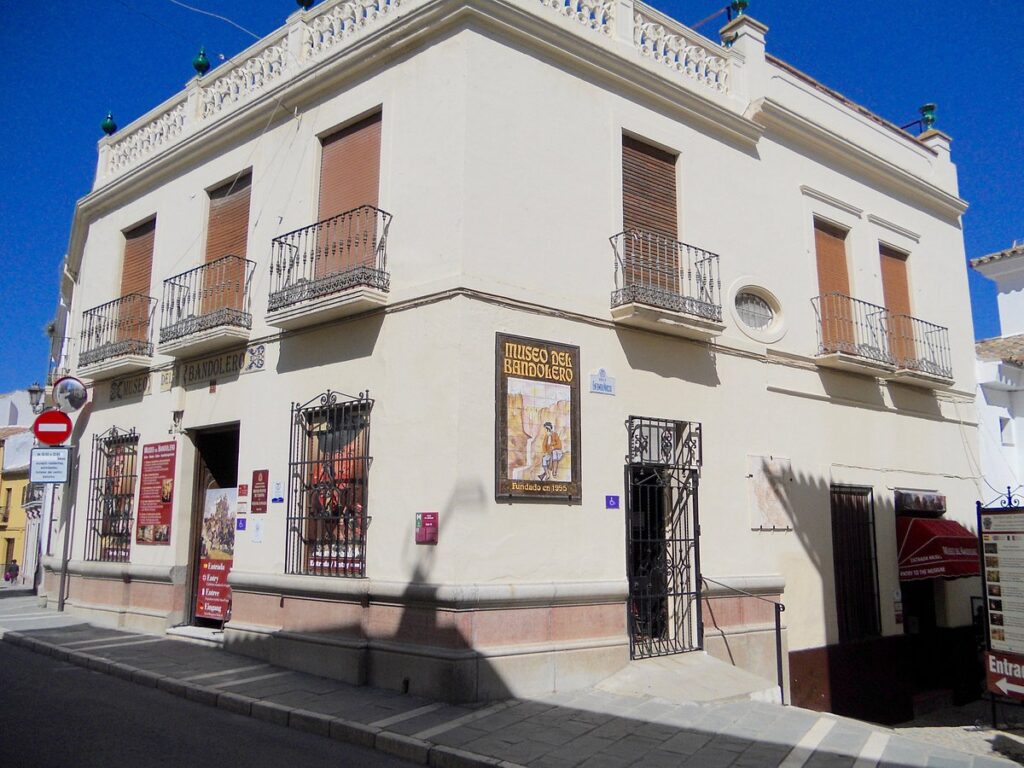
Museo Del Bandolero, or the Bandit Museum, is a unique attraction in Ronda, Spain. This museum highlights the lives of some of the most notorious bandits in Spanish history. Through exhibits and arrest warrants, visitors can learn about these bandits’ lives and understand why they chose to live as outlaws. The museum also shows how these bandits fit into the larger context of 19th- and early 20th-century Spanish society.
The museum features arresting photographs and documents that tell the stories of these historical figures. Visitors are also invited to explore the many artifacts from their lives such as weapons, money, and clothing. In addition to providing insight into the infamous bandits’ lives, Museo Del Bandolero allows tourists to gain a better understanding of life in Ronda during this time period. The museum is an excellent educational experience for those who have an interest in history and culture.
Museo del Bandolero is a one-of-a-kind experience for visitors to Ronda, providing insight both into the lives of these notorious bandits and into life in Spain during the 19th and early 20th centuries. Get ready to learn more about Spanish history as we explore the history of Santiago de Compostela Plaza Mayor & Cathedral!
History of Museo Del Bandolero (Bandit Museum)
The Museo Del Bandolero, or the Bandit Museum, is one of the most fascinating historical places in Ronda, Spain. The museum is dedicated to the history of banditry in Andalusia, which was a significant part of the region’s social and cultural fabric in the 19th century.
The museum is located in a historic building that was once a prison. The building was later converted into a museum in 1995, and today it houses a collection of artifacts, photographs, and documents that tell the story of the bandits who roamed the Andalusian countryside.
The exhibits in the museum are divided into several sections, each focusing on a different aspect of banditry. Visitors can explore the lives of famous bandits, such as El Tempranillo and José María “El Tempranillo” Hinojosa, and learn about the social and economic conditions that led to the rise of banditry in Andalusia.
One of the most interesting exhibits in the museum is a collection of weapons and tools used by bandits, including guns, knives, and ropes. Visitors can also see a replica of a bandit hideout, complete with a secret entrance and escape tunnel.
The Bandit Museum is a must-visit destination for anyone interested in the history of Andalusia and the unique cultural phenomenon of banditry. It offers a fascinating glimpse into a bygone era and sheds light on a little-known aspect of Spanish history.
Tourist Attractions at Museo Del Bandolero (Bandit Museum)
The Museo Del Bandolero, located in Ronda, Spain, is a historical museum dedicated to showcasing the history and culture of banditry in the region. It features exhibits on the lives and stories of famous bandits who once roamed the hills and mountains of Andalusia and is considered a must-visit destination for those interested in local history.
Apart from the intriguing exhibits, the museum is also surrounded by beautiful scenery, making it a perfect tourist attraction. Visitors can stroll through the scenic gardens and take in the stunning views of the surrounding hills and mountains.
Inside the museum, visitors can explore various artifacts, including weapons, clothing, and documents that belonged to the bandits. The museum also offers an audio guide, which provides a detailed explanation of the exhibits in English, Spanish, and German.
The Bandit Museum is an excellent place to learn about the fascinating history of the region and its bandits, who were once considered heroes by the local people. It’s an exciting and unique experience that should not be missed when visiting Ronda, Spain.
Explore The Intricate Streets Of Ronda
Ronda, an ancient city located in the south of Spain, is overflowing with historical sites and picturesque streets that are perfect for exploring. From its unesco world heritage site to the city center filled with Moorish architecture from the 15th century, visitors can take a journey back through time while admiring Ronda’s rich history.
One of the most popular attractions in Ronda is Puente Nuevo (New Bridge), which was built in 1793 to connect the old part of town with the new. This impressive feat of engineering overlooks a dramatic gorge and provides panoramic views of Ronda’s beautiful cities.
For art lovers, San Sebastian is home to some incredible modern architecture as well as a City of Arts and Sciences complex which includes interactive exhibits and galleries. The 18th century Plaza de Toros bullring is also a must-see attraction, where visitors can learn about the sport’s fascinating history.
Whether you’re looking for an outdoor adventure or just want to soak up some culture, Ronda has something for everyone! Its vibrant atmosphere and intricate streets make it one of Spain’s most beautiful locations and definitely worth visiting if you have some time during your trip.
Ronda is a truly magical city, perfect for anyone looking to explore and learn about Spanish culture. From the beautiful architecture and art galleries to the vibrant atmosphere and outdoor adventures, Ronda has something for everyone! Next up: a conclusion on why you should visit this amazing city.

Conclusion
Ronda is a beautiful city filled with historical sites and attractions, making it the perfect place to visit if you’re looking for an unforgettable experience in Spain. With its cobbled streets, royal palace, and ancient architecture, Ronda is sure to offer something for everyone. Whether you’re interested in exploring the 16th century narrow streets or want to take a trip down the Costa del Sol for some sun and sand, there’s no shortage of things to do! And don’t forget about Santiago de Compostela – just a few hours away from Ronda – which provides an incredible opportunity to explore 13th century Spanish history.
From outdoor adventures to cultural experiences, Ronda has something for everyone. So don’t miss out on this hidden gem located in the south of Spain – put it on your list and start planning your trip today!

Neil James
Neil James is a British expat who is a long term resident of Spain. He has traveled the country extensively.


