
Toledo’s Ancient Walls: Discovering the City’s Defense System
Standing atop the ancient walls of Toledo is like being transported back in time. For centuries, this city served as an important defensive stronghold, protecting Spain from its foes. Today, you can still explore the remnants of these mighty fortifications that once defended this vibrant city. In this paper, we will discover Toledo’s ancient walls and learn about their history and impact on modern culture. From the impressive size to the popular sites to visit, get ready to embark on a journey through time!
What are Toledo’s Ancient Walls?
Toledo’s ancient walls are a testament to the city’s long and colorful history. Built during various periods between the 10th century and 20th century, these impressive fortifications provided a powerful defense against its enemies. The 12th-century walls of King Alfonso VI were one of the first large-scale fortifications in Europe, with towers standing tall across the city center. The 16th-century Charles V wall was even more imposing, stretching over two kilometers with 25 towers, 8 gates and 2 drawbridges. In the 18th century, the 19th-century wall was built to protect
Toledo’s beautiful Baroque style buildings from American and Mexican invasions. Today, many of these impressive structures remain standing along with gorgeous plazas such as Plaza Mayor and a Gothic cathedral with a majestic coat of arms at its entrance. Declared a UNESCO World Heritage Site in 1986, Toledo’s ancient walls are an essential part of this beautiful city and a must-see for any visitor!
Toledo’s ancient walls are a stunning reminder of the city’s impressive and vibrant history. These fortifications have withstood the test of time, and now stand as a symbol of strength and resilience. So take a walk through Toledo’s historic walls and uncover the secrets behind its remarkable defense system! And if you want to learn more about how this remarkable city defended itself, read on to find out about the fascinating history behind Toledo’s defense system.
The History of the City’s Defense System
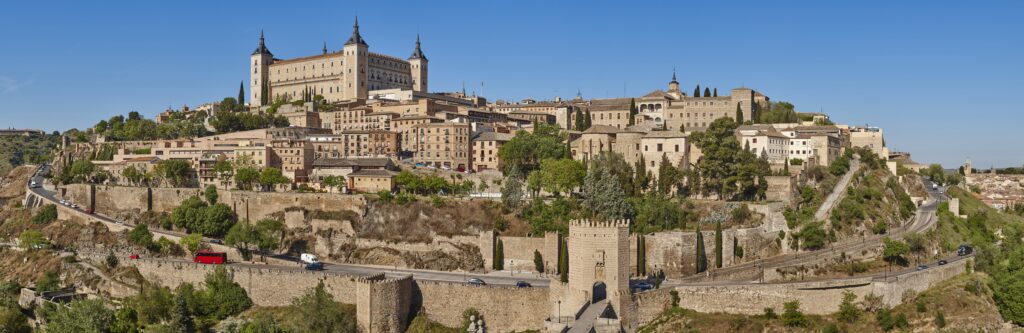
Toledo’s defense system dates back to the 1st century, when it was a Roman settlement. In the 11th century, the city was fortified by King Alfonso VI, who had towers built along the walls and moats filled with water. During the 12th and 15th centuries, more fortifications were added to protect against enemies such as Christians, Muslims and Jews. By the 16th century, Charles V had constructed a massive wall that stretched two kilometers long and included 25 towers and 8 gates. Then in the 19th century, additional walls were erected in anticipation of American or Mexican invasions.
In addition to these impressive fortifications, Toledo also featured a number of medieval castles which served as strongholds for soldiers during times of war. These castles were surrounded by defensive ditches and could be accessed via an arch bridge that spanned across them. Today many of these amazing defenses remain intact, allowing visitors to explore their history firsthand. As a result of its historical importance, Toledo’s ancient walls have been declared a UNESCO World Heritage Site in 1986 – making them an essential part of this beautiful city!
Overview of the City’s Walls
Toledo’s ancient walls are a remarkable testament to the city’s long and fascinating history. Dating back to the 1st century, the walls were originally built by the Romans as a means of protection against enemies. Over the centuries, they have been continually expanded and fortified by various rulers, eventually stretching two kilometers long with 25 towers and 8 gates. In addition to these impressive fortifications, Toledo also featured a number of medieval castles which served as strongholds for soldiers during times of war.
Today, many of these ancient defenses remain intact and are open for visitors to explore. From the 12th century Alfonso VI wall that surrounds the city center, to the 15th century Castilian wall that includes beautiful baroque style buildings and coats of arms, there is much to discover here. And don’t forget about Toledo’s iconic gothic cathedral which was built in the 10th century! All in all, Toledo’s ancient walls offer an incredible insight into its past – making them an essential part of this beautiful European city.
Toledo’s ancient walls are a unique and unforgettable reminder of its rich history, offering visitors the chance to explore a world of fortifications and castles straight out of the Middle Ages. And that’s not all – stay tuned for more information about the location and size of these impressive walls!
Location and Size of the Walls
Toledo’s ancient walls are a magnificent example of the city’s impressive history. Spanning two kilometers long, these fortifications date back to the 1st century and have been rebuilt and expanded over the centuries by various rulers. They include 25 towers, 8 gates, and a number of medieval castles which served as strongholds for soldiers during times of war.
The walls stretch around the city center and encompass many beautiful baroque style buildings, coats of arms, and a 10th century gothic cathedral. The walls also feature an arch bridge built by Charles V in the 16th century, as well as an 11th century Alfonso VI wall. The size and scale of these fortifications is matched only by their beauty – making them a unique attraction that visitors from all around come to see.
In 2017, UNESCO added Toledo’s ancient walls to its World Heritage List – recognizing them as one of Mexico City’s most beautiful building complexes. As such, they remain a popular tourist destination in both Europe and America alike – providing visitors with an insight into life in ancient times.
Construction and Maintenance Over Time
The construction and maintenance of Toledo’s ancient walls has been a labor of love throughout the centuries. The original fortifications were built in the 1st century, with subsequent rulers adding to and modifying them over time. In the 12th century, Alfonso VI renovated portions of the wall to better defend against Muslim invasions. During the 15th and 18th centuries, various kings added more towers and gates while reinforcing existing structures. In the 19th century, King Ferdinand VII gave orders for further repairs and restorations to be made – including an arch bridge built by Charles V in the 16th century.
In more recent times, conservation efforts have been undertaken to ensure that these ancient walls remain standing for future generations to enjoy. In 2018, a project was launched by local officials which saw funds allocated for further repairs and restorations – ensuring that this important historical landmark will continue to grace Toledo’s city center for years to come.
Features of the Ancient Wall System
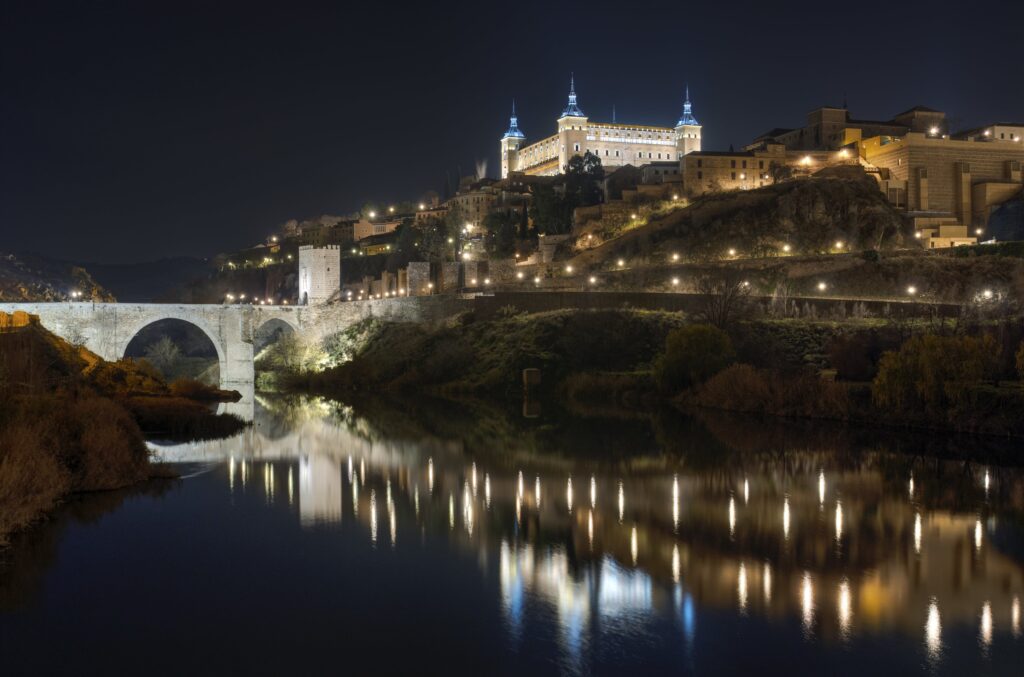
Toledo’s ancient wall system is a remarkable feat of engineering, standing as an iconic symbol of the city’s history and culture. The fortifications extend for almost 4 miles and consist of four main sections: the eastern wall, the western wall, the northern wall, and the southern wall. Each section is lined with a series of towers and gates designed to protect Toledo from invasion.
The walls were initially constructed in the 1st century by Roman settlers, with subsequent rulers adding to and modifying them over time. Visitors are able to admire impressive features such as long walkways, vaulted arches and bastions that stand tall against Toledo’s skyline. The much-loved Plaza Mayor can also be seen from atop the walls – a beautiful baroque style plaza built in 1573 and home to many festivals throughout the year.
The walls of Toledo still remain in excellent condition thanks to ongoing conservation efforts over several centuries; an incredible example of how human ingenuity can transcend time. For those wishing to explore further, guided tours are available which provide an insightful look into one of Europe’s oldest cities – a UNESCO World Heritage Site since 1986.
Touring Toledo’s Walls Today
Today, Toledo’s ancient walls remain a popular attraction for tourists and locals alike. Visitors can take in the majestic views of the city from atop the fortifications, marveling at its history-rich skyline. A guided tour of the walls provides an excellent opportunity to explore the various features such as long walkways, vaulted arches, bastions and towers. Not only do these structures offer stunning photo opportunities but they also provide insight into how past rulers defended their city against attack.
Several routes are available to choose from depending on visitors’ interests – ranging from a general overview of Toledo’s walls to a more in-depth look at specific areas such as Plaza Mayor or Charles V’s Gate. These tours are led by knowledgeable guides who will provide valuable information regarding each section as well as tales of battles fought and stories of famous inhabitants.
For those wishing to discover more about this incredible city, visiting Toledo’s ancient wall system is the perfect place to start – providing a captivating glimpse into one of Europe’s oldest cities and its vibrant culture.
Exploring Toledo’s ancient walls is a captivating experience, sure to leave visitors with an appreciation for the city’s rich history and stunning views. Continue your journey and discover the popular sites of Toledo on your next tour!
Popular Sites to Visit on a Tour
On a tour of Toledo, there are several popular sites that visitors should not miss. The magnificent Catedral de Toledo is a stunning example of Gothic architecture, while the ancient Alcazar fortress dates back to the 10th century and offers fantastic views of the city. Other highlights include Plaza Mayor, which was constructed in 1535 and is now home to many restaurants and shops; Alfonso VI’s Gate, built in 1230 as part of the city’s defense system; the beautiful Arch Bridge, which spans the Tagus River; and of course the Coat of Arms monument in honor of Spain’s monarchs.
No trip to Toledo would be complete without visiting one of its iconic UNESCO World Heritage Sites – the Medieval Castle. This impressive building dates back to 1520 and features intricate architecture with grand courtyards, majestic turrets and lush gardens. From here visitors can take in breathtaking views from atop its walls.
A tour around Toledo offers something for everyone – history buffs will love exploring each site while nature lovers will appreciate its picturesque landscapes. With so much to discover here, it’s no wonder it remains one of Europe’s most beloved cities!
Ways to See the Walls and Learn More About their History
Toledo’s ancient walls are a fascinating part of the city’s history and offer an abundance of information to those who wish to discover more. The walls, which were built in the 12th century, stretch for over two miles and provide a unique insight into the city’s past. Visitors can take a guided tour of the walls, with knowledgeable guides providing interesting facts about their construction and purpose. Tours typically last around two hours and include stops at several important sites along the way.
For those looking for a deeper understanding, there are also cultural activities available such as workshops and lectures about Toledo’s defense system, discussing how it was constructed and its role in protecting the city from attack. Additionally, visitors can explore the city itself by walking its cobbled streets and discovering hidden gems along the way.
Those wanting to learn more can visit local museums such as El Greco Museum or Museo de Santa Cruz to gain further insight into Toledo’s vibrant history. In addition, visitors can explore interactive exhibits that explain how Charles V fortified the city during his reign in the 16th century or view artifacts from conquests during various periods of Spanish history.

Impacts on Modern Culture in Toledo
Toledo’s impressive ancient walls have had a lasting impact on modern culture in the city. The walls were first built in the 12th century and have since become a symbol of the city, representing its strength and resilience over centuries. This is especially seen in Toledo’s Coat of Arms, which contains images of two lions guarding an arch bridge that is believed to represent the city’s defense system.
The walls are also a major tourist attraction within Toledo, offering visitors insight into its past through guided tours and interactive exhibitions. Additionally, many cultural activities take place around them such as outdoor concerts, exhibitions and festivals that promote cultural understanding between different cultures. In fact, many tourists come just to experience this unique atmosphere!
Finally, the walls have been included on UNESCO’s World Heritage List since 1986 for their historical significance. This has helped to make Toledo one of the most visited cities in Spain due to its abundance of cultural attractions – which can all be traced back to the city’s ancient walls.
Toledo’s walls are a testament to the city’s resilience and strength, serving as an amazing reminder of its past that continues to bring people together in the present. Get ready to discover the fascinating historic events related to the city’s defense system!
Historic Events Related to the City’s Defense System
Toledo’s defense system is one of the oldest in Europe, having been built over many centuries. Dating back to the 10th century, the city walls were commissioned by Alfonso VI to protect Toledo from its enemies. In the 15th century, Charles V further reinforced them with towers and additional fortifications. By the 18th century, when other European cities had been destroyed in wars, Toledo’s walls still stood strong.
The city’s defense system has also included a number of architectural marvels throughout its history. These include a beautiful Gothic cathedral (which was built between 1227 and 1493), a magnificent Baroque style Plaza Mayor (constructed between 1656 and 1755) and an impressive medieval castle. All these monuments are now part of UNESCO’s World Heritage List due to their unique cultural significance.
The city’s defense system has played an important role in protecting it against invaders and preserving its culture for centuries. It remains a testament to the strength of this ancient city, which continues to be celebrated today by visitors around the world who come to admire its beauty and appreciate its rich history.
Artwork, Music, and Literature Inspired by the Ancient Walls
The ancient walls of Toledo have been an inspiration to artists, musicians, and writers for centuries. Artwork such as Francisco de Goya’s ‘The Siege of Toledo’ has been inspired by the city’s walls and their defense system. The painting depicts a battle scene from the 16th century, showing the strength of Toledo’s fortifications at the time.
Music too has been inspired by Toledo’s ancient walls. Composer Franz Liszt wrote ‘Toledo March’ in honor of the city and its long history. The march is played every year at celebrations in the city center.
Writers have also drawn on the city’s ancient walls for inspiration, with legendary author Miguel de Cervantes being one of them. His novel ‘Don Quixote’, which was set in La Mancha (the region around Toledo), mentions the city’s walls several times throughout its chapters.
Toledo’s walls are an integral part of its history and culture and continue to be celebrated through artwork, music, and literature today – reminding us all of this beautiful city’s unique past.

Conclusion
Toledo’s ancient walls are a symbol of the city’s unique and rich history. Spanning from the 12th century to the 20th century, these walls were built by different rulers throughout time and reflect the various styles of architecture present in Toledo over the centuries. From Alfonso VI’s Romanesque stone walls to Charles V’s baroque style bastions, these walls have seen many battles throughout their lifetime.
Today, Toledo’s ancient city walls are a UNESCO World Heritage Site, providing visitors with an opportunity to explore this historic city and its culture. Whether it be admiring the beautiful buildings or wandering through the Plaza Mayor, there is something for everyone in Toledo – making it one of Europe’s most fascinating cities.

Neil James
Neil James is a British expat who is a long term resident of Spain. He has traveled the country extensively.


