
Best Attractions in Badajoz, Spain
Are you planning a trip to Spain and looking for a hidden gem to explore? Look no further than Badajoz. This city, located in the western region of Extremadura, boasts a rich history, stunning architecture, and delicious cuisine.
From the medieval Alcazaba fortress to the tranquil Guadiana River, Badajoz has something to offer every traveler. In this article, we’ll highlight some of the best attractions in Badajoz, so you can make the most of your visit to this charming city. So, pack your bags and get ready to discover the beauty of Badajoz.
Overview of Badajoz
Badajoz, located in the western part of Spain, is a picturesque city situated in the province of Badajoz, which is a part of the Extremadura region. It played a vital role in the trade route in the Roman times. The city’s geography is notable for its medieval fortifications surrounding the historic city center, which stands on the left bank of the Guadiana River. Badajoz has a rich cultural heritage with a mix of Iberian, Roman, Arabic, and Christian influences, making it a must-visit destination for history buffs.
Tourists who visit Badajoz can expect to be transported back in time as they stroll through the city’s historic center. With its beautiful buildings from the 9th to 20th centuries, Badajoz is a stunning cultural delight. Additionally, it is a gastronomic city that boasts a bustling local vibe and a myriad of restaurants and lounges.
Visitors interested in discovering the city’s best landmarks should start in the historic center. With its winding cobblestone streets and ancient fortresses, this area is one of the busiest and most entertaining tourist destinations in Badajoz. Plaza Alta, dating back to the 16th century, is a popular spot that offers stunning views of the entire city. The nearby Plaza de España is home to the impressive Juan Carlos I statue and is a popular gathering spot for locals.
In addition, Badajoz boasts other neighborhoods worth visiting. The Paseo de San Francisco is a scenic location lined with impressive modern buildings and lush gardens. Meanwhile, the Casas Mudéjares district features an architectural style that dates as far back as the 12th century.
The best time to visit Badajoz is from October to November, as the weather is usually pleasant with mild temperatures and less tourist foot traffic. The Archaeological Museum and Cathedral Museum are worth checking out for tourists interested in the city’s historical significance, while the Ibero-American Museum is perfect for art and culture enthusiasts.
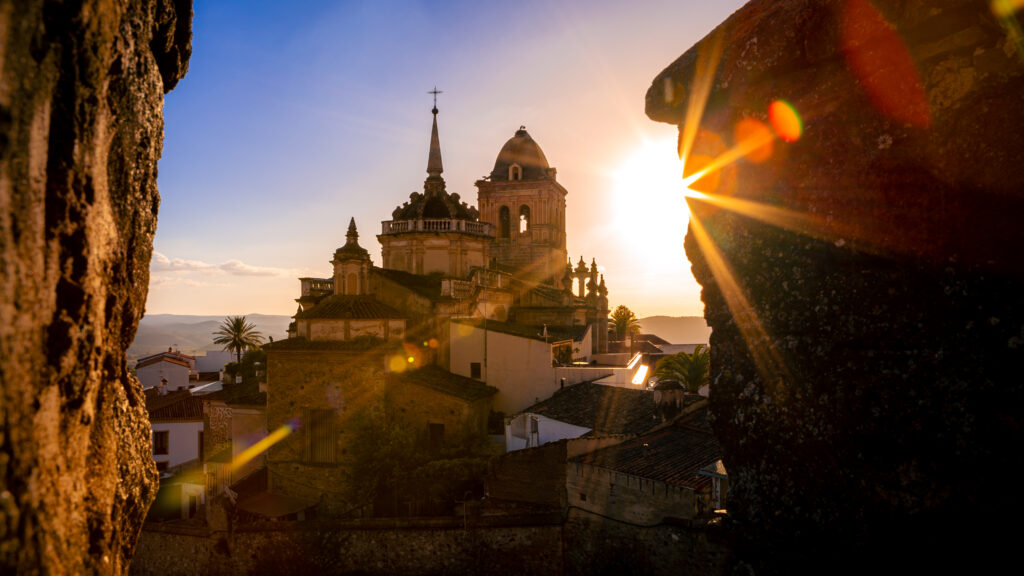
Best Attractions in Badajoz
Welcome to Badajoz, a stunning city in Spain’s autonomous community of Extremadura. With a rich cultural heritage that dates back centuries, Badajoz is a popular tourist destination that attracts visitors from all around the world. From historic landmarks to beautiful buildings and scenic locations, Badajoz has something for everyone. In this article, we’ll explore the best attractions in Badajoz that you won’t want to miss.
Puente de Palmas
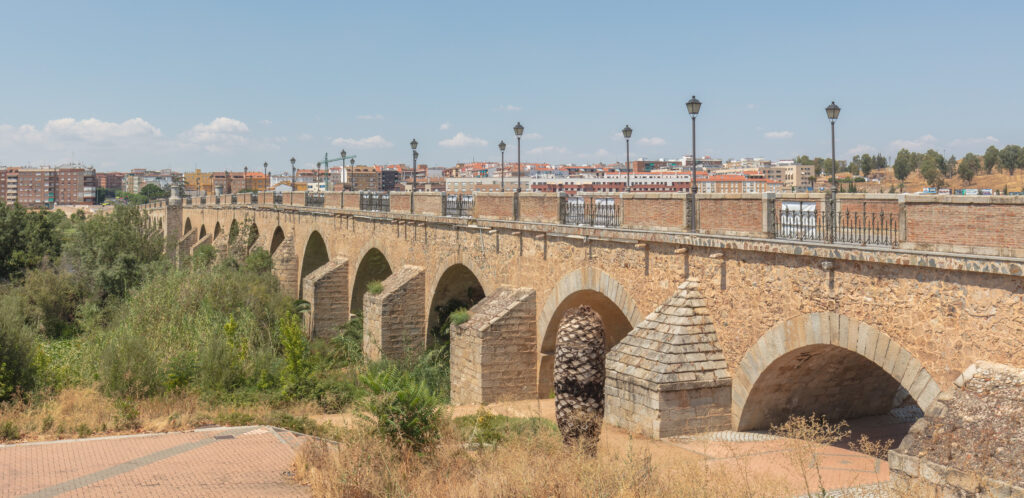
When it comes to Badajoz, Spain, one of the most prominent attractions to visit is the historic Puente de Palmas. This landmark bridge serves as a physical connection between Badajoz’s city centre and the neighbourhoods of San Fernando and Santa Isabel on the opposite bank of the Guadiana River.
Constructed during the 16th century, Puente de Palmas spans the Guadiana River with 32 arches and stands at an impressive height of 13 meters. Its physical structure and historical significance make it an excellent introduction to the city of Badajoz for travelers and visitors.
Adjacent to the Puente de Palmas stands the famous Puerta de Palmas, which serves as the entrance gate to the wall that once surrounded Badajoz. Together, these two structures create an impressive historical and architectural haven in the heart of Badajoz.
Whether you’re a history buff or just looking to experience the beautiful buildings of Badajoz, a visit to the Puente de Palmas is an excellent way to immerse yourself in the cultural heritage of this Spanish city. So if you’re ever in Badajoz, make sure to take a stroll along the Puente de Palmas and admire the breathtaking views of the Guadiana River and the city’s skyline.
Ricardo Carapeto Square
Located in the heart of Badajoz, Ricardo Carapeto Square is a popular park that offers visitors a serene escape from the hustle and bustle of the city. The square boasts of tree-lined walkways, lush lawns, and beautiful landscaping, making it an inviting spot for both tourists and locals.
One of the highlights of Ricardo Carapeto Square is its separate play-area for kids, which is equipped with swings, slides, and other play equipment that keep children entertained for hours on end. The square also houses a large auditorium that hosts concerts and events throughout the year, giving visitors a chance to enjoy cultural performances in a stunning outdoor setting.
For those seeking a peaceful break, a stroll through the park’s walking paths can provide a moment of calm. The shade of trees makes it an ideal spot for quiet contemplation, reading a book, or a picnic with family and friends.
Ricardo Carapeto Square offers a multitude of activities for visitors, from attending concerts to enjoying a leisurely walk through its lush greenery. It is indeed one of the must-visit places in Badajoz.
Badajoz Cathedral
Badajoz Cathedral, also known as the Cathedral of Saint John the Baptist, is one of the most impressive buildings in the city of Badajoz, Spain. Located in the heart of Plaza de España, the cathedral is a blend of Gothic, Baroque, and Renaissance styles, showing the evolution of architectural art over centuries.
The construction of Badajoz Cathedral began in the 13th century, during the Baroque period. It continued for more than three centuries, resulting in the mixture of architectural styles. As a consequence, the cathedral’s exterior features Gothic, Renaissance, and Baroque elements, while the interior is characterized by a predominantly Baroque style.
One of the most striking aspects of the cathedral is the rich interior decoration. The magnificent nave has an impressive vaulted ceiling decorated with colorful frescoes. There are twelve interior chapels, each with its unique decoration and art pieces. The chapels hold some of the city’s most venerated religious images and sculptures.
The Cathedral of Saint John the Baptist is significant for several reasons. It is a sacred space of worship for Catholics, a testament to the architectural and artistic achievements of the past, and a vital part of the city’s cultural heritage. The cathedral’s construction is also a testament to the importance of Badajoz’s defensive walls in the past. When it was built, outside the city’s defensive walls, it was designed to have the appearance of a fortress, providing protection to the faithful and the cathedral itself.
Badajoz Cathedral is a masterpiece of architecture, history, and art that combines different styles from different periods to create an outstanding building. The interior decoration, the twelve chapels, and the cathedral’s fortress-like appearance are just a few of the reasons why it is a must-visit destination for anyone interested in discovering the cultural heritage of the Province of Badajoz and the city itself.
La Giralda de Badajoz
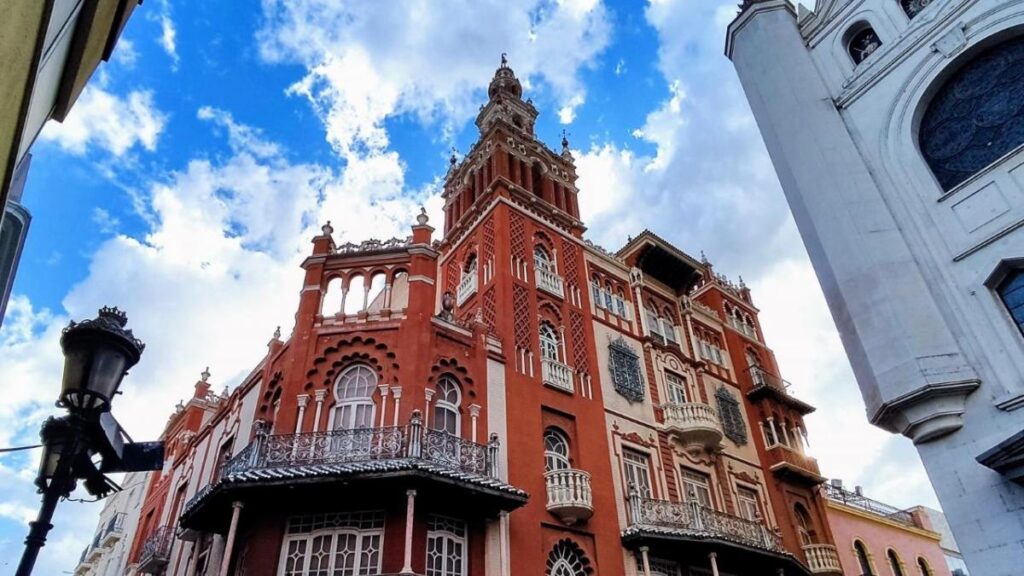
La Giralda de Badajoz is a replica tower of the Seville Cathedral’s Giralda tower, one of the most famous landmarks in Spain. La Giralda de Badajoz, also known as the Tower of Saint Vincent, is located in the Plaza de la Soledad, in the heart of the city’s commercial area.
The tower was constructed in the 16th century and stands at a height of 14 meters, with a base diameter of approximately 5 meters. Its architecture is a combination of Christian, Muslim, and Renaissance influences, with intricate decorations that reflect the tower’s rich history and cultural significance.
Originally, La Giralda de Badajoz served as a watchtower to protect the city from potential attacks. Over time, the tower was used as a bell tower and housed the clock that regulated the city’s daily routine. Today, visitors can climb the tower’s spiral staircase to enjoy breathtaking views of the city and its surroundings.
When exploring La Giralda de Badajoz, visitors should take note of the ornate decorations on the tower’s façade. These include a Mercury statue, which was added to the tower in the 16th century as part of the Hellenistic movement’s influence. Visitors should also look for the tower’s beautiful tiles, which feature intricate geometric patterns and floral designs.
Additionally, visitors should keep an eye out for the tower’s clock mechanism, which dates back to the 18th century and is still operational today. The clock is a fascinating piece of technology that showcases the ingenuity of the tower’s builders and the importance of timekeeping in the city’s daily life.
La Giralda de Badajoz is an essential part of the city’s cultural and architectural heritage, and a must-visit attraction for anyone exploring the Province of Badajoz. Visitors will be impressed by the tower’s ornate decorations, impressive height, and rich history, making it an essential stop for anyone interested in the region’s cultural heritage.
Conclusion
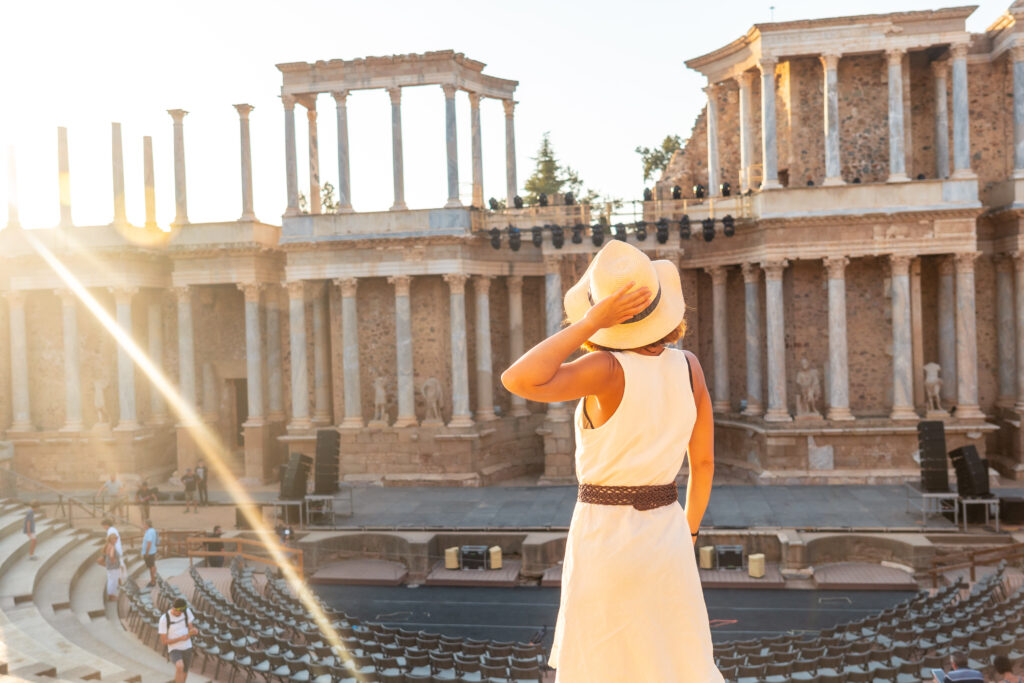
In conclusion, Badajoz, Spain is a hidden gem that offers a wide range of attractions for visitors to enjoy. From medieval fortresses to beautiful parks and gardens, there is something for everyone in this charming city. Whether you’re interested in history, culture, or just want to relax and enjoy the local cuisine, Badajoz has it all. So why not plan your next vacation to this beautiful city and experience the best attractions it has to offer? You won’t be disappointed!

Neil James
Neil James is a British expat who is a long term resident of Spain. He has traveled the country extensively.


