The Fascinating Architecture of Casa de los Botines in Leon
Have you ever seen a building that looks like it’s straight out of a fairy tale? Casa de los Botines in Leon, Spain is one such building. With its unique architecture and intricate details, it’s hard not to be fascinated by it.
Casa de los Botines was designed by the famous architect Antoni Gaudi, who is known for his unconventional and imaginative designs. The building was completed in 1894 and was originally built as a commercial building for a textile company.
Today, Casa de los Botines is a popular tourist attraction in Leon, drawing visitors from all over the world to admire its stunning architecture. In this article, we will take a closer look at the history and design of this iconic building and explore what makes it so fascinating.

Overview of Leon and its Rich Heritage
The city of Leon, located in the northwest of Spain, is steeped in history and has a rich cultural heritage. With its impressive Gothic cathedrals and Renaissance-style architecture, Leon has something to offer for people of all ages. It was founded by King Alfonso VI in the 12th century and was once the capital of the Christian kingdom. Today, it is known for its stunning monuments such as San Isidoro Church and Palacio de los Guzmanes, both examples of exquisite Gothic architecture.
Visitors can also explore the 16th-century Convento de San Marcos, which houses an impressive collection of artworks from renowned painters such as Antoni Gaudí, Joan Homs, Joaquín Sorolla and Eusebi Güell. Whether you’re looking for a place to immerse yourself in culture or just take in some beautiful sights, Leon will not disappoint.
From its stunning architecture to its rich cultural heritage, Leon is a city that has something for everyone. So come and explore this amazing city, and don’t forget to take in the extraordinary Casa de los Botines – an impressive building with a fascinating history waiting to be discovered!
Casa de los Botines: An Impressive Building
Casa de los Botines is an impressive neo-Gothic building located in the center of Leon, Spain. Built at the end of the 19th century and designed by renowned architect Antoni Gaudí, it is one of the most iconic buildings in the city. The building stands out from its surroundings thanks to its richly detailed facade, which includes a variety of decorative elements including turrets, balconies and stained glass windows. The ground floor houses a number of shops while the upper floors were originally used as a residential building.
Despite being built in the late 19th century, Casa de los Botines still retains some elements of 16th century Gothic architecture, making it an interesting example of how new architectural styles can incorporate aspects of older ones. In addition to its impressive facade, visitors can also explore its interior courtyards and gardens which are filled with sculptures and other pieces that add to its unique character.
Casa de los Botines is only one part of Leon’s rich history and heritage but it is certainly one of the most fascinating examples. With its unique blend of architectural styles and attention to detail, this impressive structure serves as a reminder that Leon has much more to offer than just traditional Gothic cathedrals such as the 14th century León Cathedral or Plaza de San Marcelo. Whether you’re looking for a place to explore culture or just take in some beautiful sights, Casa de Los Botines should be on your list!
Architecture of Casa de los Botines
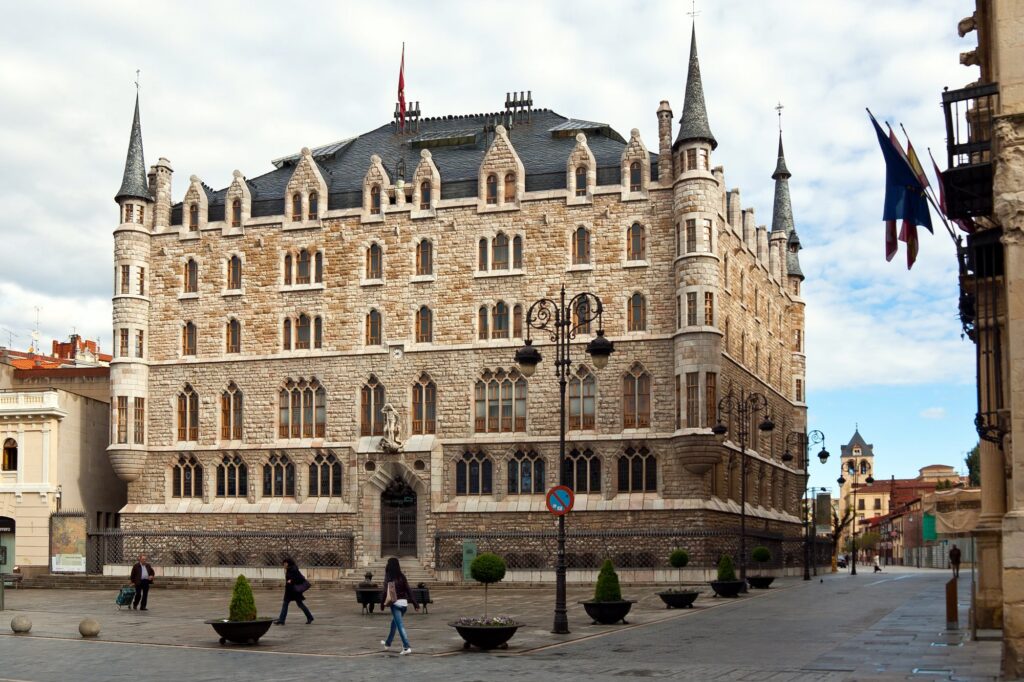
Located in the center of Leon, Spain, Casa de los Botines is one of the most iconic buildings in the city. Built at the end of the 19th century and designed by renowned architect Antoni Gaudí, it is a testament to his innovative style which blended elements from 16th century Gothic architecture with modern techniques. The building stands out from its surroundings thanks to its richly detailed facade, which includes a variety of decorative elements including turrets, balconies and stained glass windows. It has become a popular tourist spot due to its history and aesthetic appeal.
Casa de los Botines is an excellent example of how different architectural styles can be combined in order to create something unique and beautiful. It serves as a reminder that Leon has much more to offer than just traditional Gothic cathedrals such as León Cathedral or Plaza de San Marcelo. Visitors can explore its interior courtyards and gardens which are filled with sculptures and other pieces that add to its charm. Additionally, the ground floor houses several shops which make it easy for visitors to immerse themselves even further into the culture of this fascinating city.
Casa de los Botines is a unique and beautiful monument to both the past and the future of Leon, Spain. It’s an excellent example of how different architectural styles can be combined to create something stunning and memorable. Take a visit to explore its grandeur, from the ground floor shops to its upper floors filled with sculptures and other pieces!
Ground Floor and Upper Floors
The ground floor and upper floors of Casa de los Botines are filled with fascinating attractions. On the ground floor, visitors will find several shops selling a variety of items such as souvenirs and local art. The building is also home to a restaurant where guests can enjoy traditional Spanish cuisine.
On the upper floors, visitors can explore its impressive architecture which includes turrets, balconies, stained glass windows and other decorative elements. They can also admire the sculptures and other pieces which have been added over the years to give it even more character.
Finally, they can take in the breathtaking views of Leon from its terraces. Together these features make Casa de los Botines truly remarkable and a must-visit for any history or architecture enthusiast visiting this enchanting city.
Gothic Architecture Influences
Gothic architecture is a style of architecture that originated in France during the 12th century. It is characterized by its pointed arches, ribbed vaulting, and elaborate ornamentation. Gothic architecture quickly spread throughout Europe becoming one of the most popular architectural styles of its time.
Gothic architecture had a profound influence on many other forms of art, including painting, sculpture and stained glass windows. Gothic buildings were often decorated with intricate carvings and sculptures depicting religious scenes or figures. Additionally, many churches and cathedrals featured impressive stained glass windows which depicted biblical stories or scenes from everyday life.
Gothic architecture also inspired advances in engineering such as buttresses and flying buttresses which allowed for taller buildings to be constructed without relying on heavy stone walls for support. This eventually led to the creation of soaring gothic cathedrals such as Notre Dame de Paris and León Cathedral in Spain.
Today, Gothic architecture remains a popular style with its rich heritage still evident in many cities across Europe as well as elsewhere in the world. From grand cathedrals to small residential buildings, Gothic architecture continues to inspire awe and admiration with its impressive beauty and scale.
Stained-Glass Windows and Balconies
Stained-glass windows and balconies are two of the most iconic features of Gothic architecture. Stained glass is a form of art which has been used in churches and other sacred buildings since the middle ages. Stained glass windows were created to tell stories from the bible or religious figures, as well as to depict scenes from everyday life.
Gothic balconies, meanwhile, are an impressive feature of many Gothic buildings, especially churches. These balconies often have intricate carvings and sculptures depicting religious scenes or figures, adding to the overall beauty of the building.
Today, stained-glass windows and balconies continue to be popular features in Gothic-style buildings around the world. They add an extra layer of beauty and elegance to any structure they adorn while also providing insight into the history and culture that inspired them.
Rich Ornamentation and Facades
Rich ornamentation and facades are two of the most impressive elements found in Gothic architecture. Ornamentations draw attention to the beauty of a building and give it a unique character. They often include carvings and sculptures depicting religious scenes, as well as decorative stone, wood, and glasswork.
Facades are another important element of Gothic architecture. This is the exterior part of a building which serves both an aesthetic and functional purpose. Facades determine how much natural light enters the building, as well as its overall appearance. Gothic facades can be characterized by pointed arches and high vaulted ceilings, giving them an elegant and majestic look.
Today, rich ornamentation and facades continue to be popular features in Gothic-style buildings around the world. They provide insight into the history and culture that inspired them while also adding an extra layer of beauty to any structure they adorn.
Comparison with Other Buildings in the Region
Casa de los Botines in Leon is an impressive building located in the Plaza de San Marcelo, and it stands as one of the most iconic examples of Gothic architecture in Spain. Its ornate facades and rich ornamentation make it stand out among other buildings in the region.
Located close to Casa de los Botines you can find the Palacio de los Guzmanes, which is a 16th century historic building that features Renaissance style elements. It is also worth mentioning the impressive 12th century Leon Cathedral which was built during this period of history and still stands tall today.
Convento de San Marcos and Eusebi Güell’s 19th century residence are both located nearby, and they each have their own unique style that set them apart from Casa de los Botines. The Convento has a Baroque interior with stained-glass windows, while Eusebi Güell’s house was designed by renowned architects Antonio Gaudí and Joan Homs.
The area around Casa de los Botines is home to some of the most important works of art history in Spain, making it a must-visit destination for anyone interested in history or architecture. From its rich heritage to its impressive facades, there is plenty to explore at Casa de Los Botines – a truly fascinating building!
Historical Significance of Casa de Los Botines

Casa de los Botines is a remarkable architectural masterpiece located in the city of León, Spain. It is an example of Gothic architecture that was built by Antonio Gaudí in the late 19th century. The building stands out for its ornate facades, intricate details, and striking ornamentation.
Throughout history, Casa de los Botines has served various purposes from residential to commercial use. However, it is most remembered for its beautiful architecture and artistry. As one of Gaudí’s first projects, it perfectly showcases his unique style and abilities as an architect.
The ground floor of the building features a stunning courtyard with columns and arches that are decorated with sculptures and frescoes painted by Joaquín Sorolla y Bastida in the early 20th century. The upper floors contain luxurious apartments with high ceilings and large windows that provide natural light to the interior space.
Casa de los Botines is not only remarkable for its beauty but also its historical significance. Not only does it stand as a testament to Gaudí’s genius but it also stands in close proximity to other important landmarks such as San Isidoro Church and Leon Cathedral – both of which are 14th century Gothic cathedrals that still remain today.
Overall, Casa de Los Botines is a stunning example of Gothic architecture and a landmark that has great historical importance in Leon, Spain – making it an unforgettable destination for anyone interested in art or history!
Casa de Los Botines is an awe-inspiring example of Gothic architecture, and a must-see for anyone interested in the history, art, and culture of Spain. And if you’re looking to further explore the city of León, don’t miss out on the stunning 14th Century Leon Cathedral, just steps away from Casa de Los Botines!
Link to 14th Century Leon Cathedral
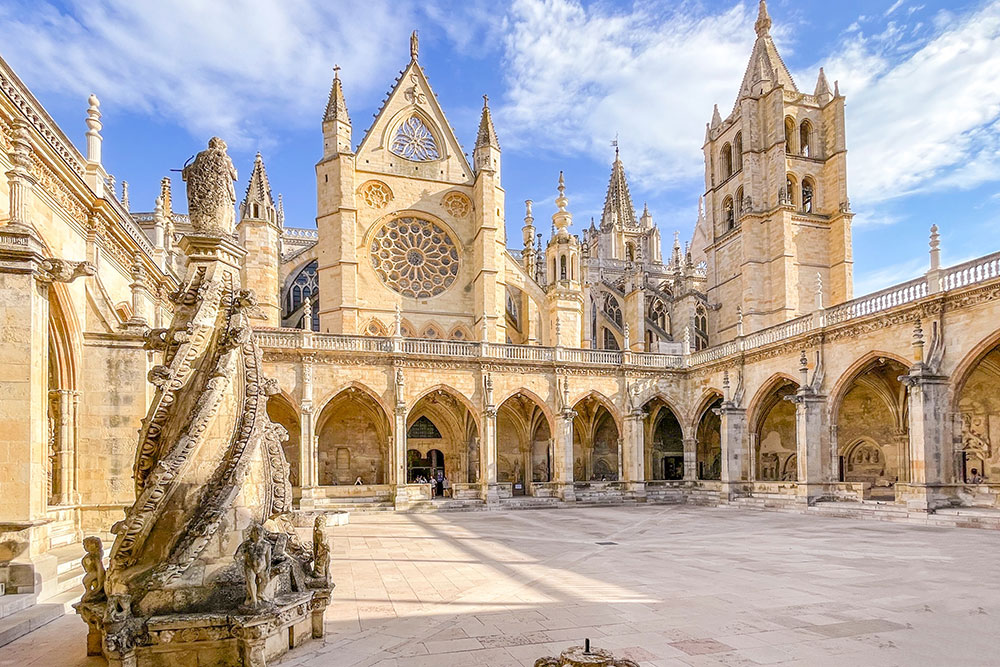
The Leon Cathedral, located in the city of León in northern Spain, is a stunning example of Gothic architecture. It was built between 1205 and 1250 and stands as an impressive testament to the skill and artistry of its builders. The cathedral features two impressive towers that soar to a height of 70 meters and are topped with spires. Its interior is also decorated with intricate designs, stained-glass windows, and beautiful frescoes.
The Leon Cathedral has a long history that dates back to the 9th century when it was constructed on the site of an old Roman basilica. Over time, it has been expanded and renovated numerous times in order to keep up with changing tastes in architecture. Today, it stands out as one of the most impressive examples of Gothic architecture in Europe and is often considered one of the most important historic buildings in Leon.
Visitors to Leon will be astounded by the beauty of this grand cathedral which serves as a reminder of its rich heritage and cultural past. If you’re looking for an educational experience while exploring León – don’t miss out on visiting this incredible 14th century structure!
Influence on 19th and 20th Century Gothic Cathedrals
The influence of Gothic architecture on 19th and 20th century cathedrals is undeniable. The most obvious example is Antoni Gaudí’s Palacio de los Guzmanes in Barcelona, which was built between 1882 and 1883. This structure, which combines elements of Gothic and Renaissance styles, has become one of the most iconic buildings in the city. Its design has been imitated in many other cathedrals around the world, including those in Paris, Cologne and London.
In addition to Gaudí’s work, numerous other architects have also drawn inspiration from Gothic architecture when designing cathedrals in the late 19th and early 20th centuries. These include Joan Homs’ design for the Convento de San Marcos in Madrid, as well as Joaquín Sorolla’s reconstruction of León Cathedral in Spain. Both projects demonstrate how modern designers can incorporate traditional elements into their designs without losing sight of their own artistic vision.
The influence of Gothic architecture on 19th and 20th century cathedrals is a testament to its timelessness and versatility as a style. It allows architects to create majestic structures that evoke a sense of grandeur while still adhering to their own design principles – all while paying homage to an architectural form that has stood the test of time for centuries.
Conclusion
The fascinating architecture of Casa de los Botines in Leon is a testament to the timelessness and versatility of Gothic architecture. The building, which was originally constructed in the 16th century, has since been subject to numerous renovations and alterations, making it a unique blend of architectural styles from different periods. From its impressive ground floor to its upper floors, the building has been influenced by various architects throughout history, including Antonio Gaudí and Eusebi Güell. Its stained-glass windows and rich heritage have made it an important part of Leon’s history of art.
By looking at the design of this impressive building, we can gain insight into how Gothic architecture has influenced cathedrals from the 19th and 20th centuries. Its influence remains strong today, as modern architects continue to draw inspiration from this classic style when designing their own cathedrals.

Neil James
Neil James is a British expat who is a long term resident of Spain. He has traveled the country extensively.