
Art and Architecture in Palma: A Tour of the City’s Most Impressive Landmarks
Explore the beauty, art and architecture of Palma de Mallorca, a city that is both historic and modern. From the magnificent Cathedral of Santa Maria of Palma to the breathtaking bell towers of Gothic style churches, Palma has something for everyone to admire. On this tour, you’ll discover the history and highlights of some of the city’s most impressive landmarks – from majestic fortresses to stunning palaces. Join us as we take a journey through one of Europe’s most beautiful cities!
Overview of Palma de Mallorca

Palma de Mallorca is one of the largest cities in Spain and the capital of the Balearic Islands. Located on the Mediterranean Sea, Palma boasts a captivating mix of historical landmarks and modern attractions. From its cobbled streets to its 14th century bell towers, there is something for everyone to explore in this beautiful city. The most famous landmark is Bellver Castle, a circular castle built in the 13th century as a royal palace and listed as a Unesco World Heritage Site. Other noteworthy sites include Santa Catalina and Palma Cathedral, both showcasing intricate examples of Moorish architecture and art galleries. In addition, visitors can find plenty of beautiful beaches, stroll through lush parks, or admire the works of renowned architect Antoni Gaudi such as La Sagrada Familia. Whether you’re looking for cultural attractions or outdoor activities, Palma has something for everyone to enjoy!
From its grand churches and castles to its vibrant art galleries and stunning beaches, Palma de Mallorca is a city that has something for everyone to explore. Get ready to discover the best of Palma’s art and architecture on your next tour!
What to Expect from a Tour of Palma’s Art and Architecture
A tour of Palma’s art and architecture is a great way to explore the city’s rich history. From famous landmarks to stunning architecture, you’ll find yourself immersed in the city’s culture and art. You can expect to visit some of the most impressive monuments in the city, such as Bellver Castle, Palma Cathedral, and Santa Catalina. During your tour, you will also be able to admire many works of art from a variety of time periods. You may even have the chance to view some of Gaudi’s iconic buildings such as La Sagrada Familia.
As you journey through this captivating city, you will get an in-depth look at its 15th century walled city and 18th century Baroque churches, as well as its 20th century modernist architecture. A tour of Palma’s art and architecture is sure to leave you with lasting memories that will stay with you for years to come.
Exploring Palma’s art and architecture is an unforgettable experience, one that will leave you with a greater appreciation for the city’s unique culture and history. Get ready for your next adventure to explore the stunning Palma Cathedral – a must-see landmark of this beautiful city!
Palma Cathedral
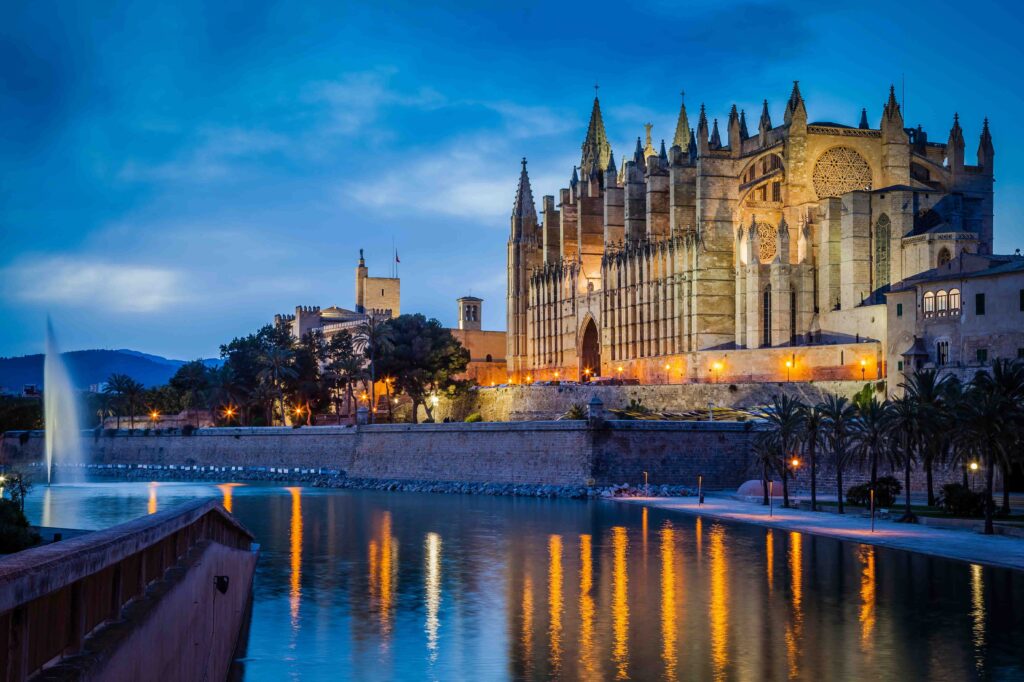
Palma Cathedral, or La Seu, is an iconic landmark located in the heart of Palma de Mallorca. Built in the 13th century and remodeled by Antoni Gaudi in the early 20th century, this stunning cathedral is an awe-inspiring sight to behold. It has a Romanesque design with Gothic and Baroque elements, making it one of the most unique cathedrals in Spain. Inside the building you can find exquisite stained glass windows depicting biblical scenes, religious murals on its ceiling, and elaborate stone carvings decorating its walls.
The cathedral also features a beautiful rose window and an impressive collection of ancient artifacts. From its soaring towers to its vast naves, La Seu is a must-see attraction for anyone visiting Palma de Mallorca. Whether you’re looking for a historical tour or simply want to admire some breathtaking architecture, exploring Palma Cathedral is sure to be an unforgettable experience.
From its impressive architecture to its stunning interior, Palma Cathedral is an awe-inspiring sight that will leave you in awe. Next up, let’s dive into the history and background of this majestic building!
History and Background
Palma Cathedral, otherwise known as La Seu, is an iconic landmark located in the heart of Palma de Mallorca. Its construction began in 1229 and was completed in 1601, making it one of the oldest cathedrals in Spain. It was built under the orders of King James I, who wanted a monument to honor the conquest of Mallorca by his troops. The cathedral has undergone several remodels throughout its history; most notably during the 19th century when it was restored by Antoni Gaudí.
The building’s design is a mix of Romanesque and Gothic elements, with some later additions made during the Baroque period. Inside you can find impressive stained glass windows depicting biblical scenes and religious murals on its ceiling. It also features a beautiful rose window and an impressive collection of ancient artifacts from various cultures such as Christian, Arab and Jewish. This makes Palma Cathedral one of the most historically significant monuments in Spain and a must-see attraction for any visitor to Palma de Mallorca.
Features and Highlights
Palma Cathedral, also known as La Seu, is one of the most iconic landmarks in Palma. Its stunning architecture and rich history make it a must-visit destination for anyone interested in art and architecture. Here are some of the features and highlights of Palma Cathedral:
1. Gothic Architecture – The cathedral’s architecture is primarily Gothic, with elements of Baroque and Renaissance styles. It took over 400 years to complete, with construction beginning in 1229 and ending in 1601.
2. Rose Window – One of the most impressive features of the cathedral is its rose window, which is located above the main entrance. It measures over 12 meters in diameter and is made up of 1,236 pieces of stained glass.
3. Gaudi’s Touch – The famous architect Antoni Gaudi contributed to the cathedral’s design in the early 20th century. He redesigned the main facade and added several decorative elements, including the canopy over the altar.
4. Bell Tower – The cathedral’s bell tower is 44 meters tall and offers stunning views of the city. Visitors can climb to the top of the tower for a small fee.
5. Chapels – The cathedral has numerous chapels, each with its own unique artwork and history. One of the most notable is the Chapel of the Holy Sacrament, which features a painting by the famous Spanish artist Francisco de Goya.
Overall, Palma Cathedral is a masterpiece of Gothic architecture and a testament to the skill and dedication of the craftsmen who built it. Its beauty and historical significance make it a must-see attraction for anyone visiting Palma.
Reminder in Visiting the Cathedral
When visiting the Cathedral in Palma, there are a few important reminders to keep in mind. Firstly, it is recommended to purchase tickets in advance to avoid long lines and ensure entry. The Cathedral is a popular tourist attraction, especially during peak season, and tickets can sell out quickly.
Secondly, appropriate attire is required when visiting the Cathedral. As a place of worship, visitors are expected to dress modestly and cover their shoulders and knees. This means no shorts, tank tops, or revealing clothing.
Thirdly, visitors should take the time to appreciate the stunning architecture and artwork within the Cathedral. From the impressive rose window to the intricate details of the Gothic vaults, there is plenty to admire. The Cathedral also houses several notable pieces of art, including works by Gaudí and Miquel Barceló.
Finally, visitors should be respectful of the Cathedral’s religious significance and avoid loud noises, photography during mass, and any other disruptive behavior. By following these reminders, visitors can fully appreciate the beauty and history of the Cathedral in Palma.
Bellver Castle
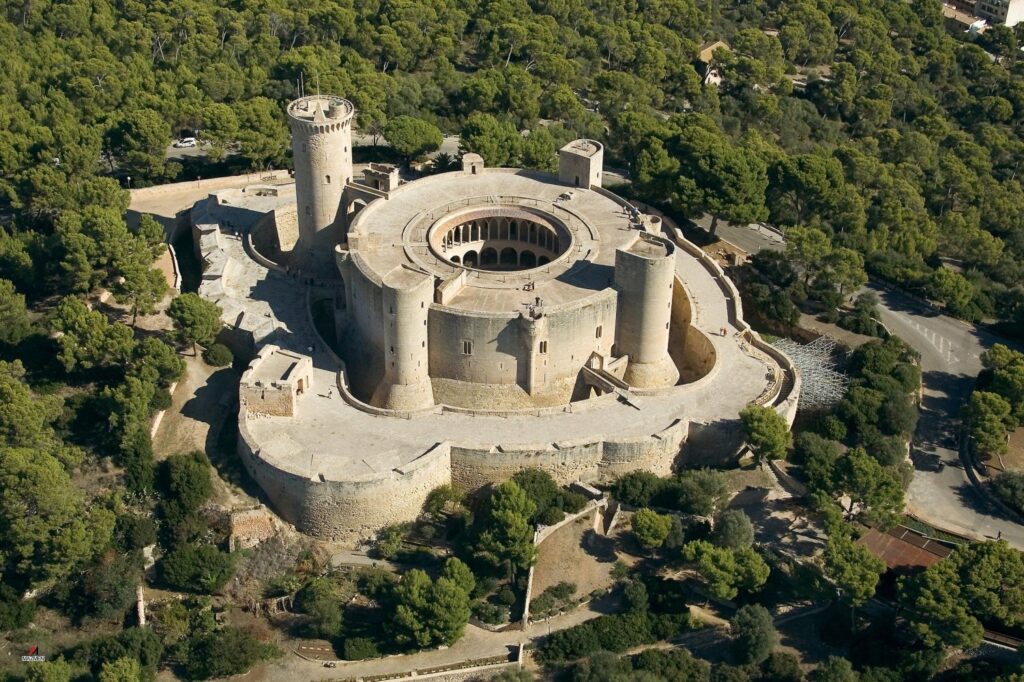
Bellver Castle is a stunning circular castle located in Palma de Mallorca, Spain. Built in the 14th century, it was the first major fortification of its type to be built on the Iberian peninsula. The castle is located on a hilltop overlooking the city and bay below and is surrounded by lush pine forests. Inside, visitors can explore an array of architectural styles from Gothic to Renaissance, as well as artwork from renowned artists such as Antoni Gaudi and Luis Montero.
In addition to its historical significance, the castle also offers breathtaking views of Palma and the surrounding landscape. A perfect example of Moorish architecture, Bellver Castle has been designated a UNESCO World Heritage Site and is one of Palma’s most impressive landmarks.
Bellver Castle is a stunning example of Moorish architecture and a must-see for anyone visiting Palma de Mallorca. From its historical significance to its breathtaking views, it is an unforgettable experience that should be on everyone’s bucket list. But what about the castle’s past? Keep reading to learn more about its long history and rich background!
History and Background
Bellver Castle is one of the most iconic landmarks in Palma and is a must-visit for anyone interested in history and architecture. The castle was built in the 14th century by King James II of Mallorca and was originally intended as a residence for the royal family. However, it was later used as a military prison and even as a shelter during the Spanish Civil War.
The castle’s circular design is unique in Europe and is a testament to the architectural ingenuity of the time. The castle’s name, Bellver, means “beautiful view” in Catalan, and visitors can enjoy breathtaking panoramic views of Palma and its surroundings from the castle’s terrace.
Over the years, Bellver Castle has undergone several renovations and restorations, including the addition of a Gothic-style chapel and a moat. Today, the castle is home to the Palma History Museum and houses an impressive collection of artifacts and exhibits that chronicle the history of Palma and Mallorca.
Visitors to Bellver Castle can take a guided tour of the castle and its grounds, including the chapel, the prison cells, and the terrace. The castle also hosts various cultural events throughout the year, including concerts, theater performances, and art exhibitions.
Overall, Bellver Castle is a fascinating and historically significant landmark that offers visitors a glimpse into the rich history and culture of Palma and Mallorca.
Features and Highlights
Bellver Castle is one of the most impressive landmarks in Palma, and it’s easy to see why. This Gothic-style castle was built in the 14th century and boasts a unique circular design that sets it apart from other castles in the area. Here are some of the features and highlights of Bellver Castle that you won’t want to miss on your tour:
– The circular courtyard: The castle’s most distinctive feature is undoubtedly its circular courtyard, which is surrounded by three levels of galleries. From here, you can take in stunning views of the city and the surrounding countryside.
– The chapel: The castle’s chapel is located on the top level of the galleries and features beautiful Gothic arches and stained-glass windows. It’s a peaceful and serene space that’s perfect for reflection.
– The museum: Bellver Castle also houses a museum that showcases the history of the castle and the city of Palma. Here, you’ll find exhibits on everything from medieval weapons to local art and culture.
– The moat: Yes, Bellver Castle has a moat. It’s not filled with water anymore, but it’s still an impressive feature that adds to the castle’s grandeur.
– The gardens: Finally, don’t forget to take a stroll through the castle’s gardens, which are filled with lush greenery and offer even more stunning views of Palma and the surrounding area.
Overall, Bellver Castle is a must-see for anyone interested in art and architecture in Palma. Its unique design and rich history make it a true gem of the city.
Reminder in Visiting the Castle
When planning a tour of Palma’s most impressive landmarks, Bellver Castle should definitely be on your list. This 14th-century Gothic-style castle is a unique architectural wonder that offers stunning views of the city and the Mediterranean sea. However, it’s important to keep in mind a few reminders when visiting Bellver Castle.
Firstly, make sure to wear comfortable shoes as the castle is situated on a hill and there are many stairs and steep slopes to navigate. Also, be aware that the castle is closed on Mondays and certain holidays, so plan your visit accordingly.
Another important tip is to bring sunscreen and a hat as there is very little shade on the castle grounds. If you’re visiting during the summer months, it’s best to go early in the morning or later in the afternoon to avoid the intense midday sun.
Lastly, don’t forget to bring your camera! The panoramic views from the castle are truly breathtaking and you’ll want to capture them to remember your visit to Bellver Castle. With these reminders in mind, you’re sure to have a wonderful time exploring this impressive landmark in Palma.
Royal Palace of La Almudaina

The Royal Palace of La Almudaina is a must-see when visiting Palma de Mallorca. This stunning palace dates back to the 13th century and is a beautiful example of Moorish architecture. It was originally built as an alcazaba, or fortress, by the Moors and was later transformed into an impressive royal residence by King Jaume I. Today, visitors can admire the grand façade, which features ornate arches and intricate carvings depicting scenes from Spanish history.
Inside the palace, guests can explore several courtyards adorned with fountains and lush gardens, as well as marvel at works of art from some of Spain’s most famous artists such as El Greco and Murillo. With its rich history and beautiful architecture, La Almudaina provides a fascinating insight into Palma’s past and is a must-see for those interested in exploring the city’s art and culture.
Overall, La Almudaina is a captivating destination that offers a unique look into Palma de Mallorca’s past. Its stunning architecture, lush gardens and rich history make it an essential stop for any visitor to the city. And with so much to explore, it’s no wonder why this royal palace has been treasured for centuries! Next up, we’ll delve deeper into the history and background of La Almudaina.
History and Background
Palma de Mallorca’s Royal Palace of La Almudaina is a stunning example of Moorish architecture, dating back to the 13th century. Originally built as an alcazaba, or fortress, by the Moors, it was later transformed into a royal residence by King Jaume I in the 14th century. During this period of renovation, several courtyards and gardens were added to the palace grounds. The ornate façade features intricate carvings depicting scenes from Spanish history. Inside La Almudaina, visitors can admire works of art from some of Spain’s most renowned artists such as El Greco and Murillo.
In 1521, La Almudaina was declared a National Monument by King Charles I; in 1716 it was elevated to the rank of Royal Palace by Philip V; and in 1833 it became part of the Museum of Historical Monuments. Today, visitors can explore its courtyards adorned with fountains and lush gardens while they marvel at its beautiful architecture and works of art. With its rich history and impressive architecture, La Almudaina is an essential stop for any visitor to Palma de Mallorca who wishes to gain insight into its fascinating past.
Features and Highlights
The Royal Palace of La Almudaina is one of the most impressive landmarks in Palma, Spain. It was originally built as an Arab fortress in the 10th century and later converted into a palace for the Mallorcan monarchs. Today, it serves as the official residence of the Spanish Royal Family when they visit the island.
One of the most notable features of the palace is its Gothic-style courtyard, which is surrounded by arches and adorned with intricate carvings. The courtyard is a stunning example of the architectural style that was popular during the 14th and 15th centuries.
Inside the palace, visitors can explore the various rooms that were once used by the Mallorcan monarchs. These rooms are decorated with ornate tapestries, antique furniture, and other artwork that reflects the rich history of the island.
Another highlight of the palace is the Chapel of Saint Anne, which was built in the 14th century. The chapel features beautiful stained-glass windows and a stunning altarpiece that is considered to be one of the finest examples of Gothic art in Spain.
Overall, the Royal Palace of La Almudaina is a must-see destination for anyone interested in art and architecture. Its stunning Gothic courtyard, beautiful interior, and historical significance make it one of the most impressive landmarks in Palma.
Reminder in Visiting the Palace
When visiting the Royal Palace of La Almudaina in Palma, it is important to remember a few key things. First and foremost, this is a functioning royal palace, so it is important to be respectful of the space and any events or ceremonies that may be taking place. Visitors should dress appropriately and refrain from taking photos or recording videos inside the palace.
Additionally, it is important to note that the palace has limited visiting hours and may be closed on certain days for official functions. It is always a good idea to check ahead of time to make sure the palace is open and to avoid disappointment.
Visitors should also take the time to appreciate the unique blend of architectural styles on display at the palace. Originally built in the 13th century by the Moors, the palace was later renovated by the Christian kings of Mallorca, resulting in a fascinating mix of Gothic and Islamic design elements. Highlights of the palace include the stunning courtyard, the Throne Room, and the Chapel of Saint Anne.
Finally, visitors should be sure to take advantage of the guided tours offered at the palace. These tours provide valuable insights into the history and significance of the palace, as well as the art and architecture on display. With a little bit of planning and preparation, a visit to the Royal Palace of La Almudaina is sure to be a highlight of any trip to Palma.
Antoni Gaudi’s Contributions to Palma de Mallorca
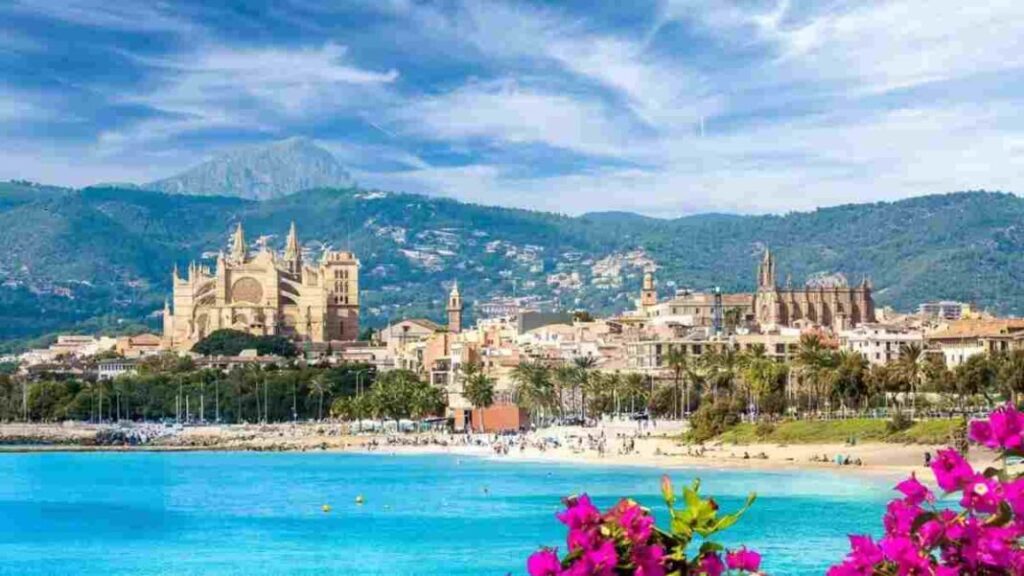
Antoni Gaudi is one of the most renowned architects in history and his contributions to Palma de Mallorca are some of the finest examples of his genius. Gaudi was born in Spain and moved to Palma when he was just a teenager, where he began working on various projects around the city. He soon made a name for himself with his innovative designs and creative use of materials such as stone, wood, iron and ceramic tiles.
Gaudi’s most famous project in Palma is the Church of Santa Maria del Mar; an impressive structure that features intricate detailing such as curved domes, towers, arches, mosaics and stained glass windows. This breathtaking building showcases Gaudi’s signature style that combines Gothic elements with traditional Spanish architecture.
Another notable work by Gaudi is Casa de los Arcos which was constructed between 1904-1907. This unique building features a beautiful combination of stone walls and wrought iron balconies which makes for an unforgettable sight.
Gaudi’s influence can be seen all over Palma, from iconic landmarks like La Seu Vella to smaller structures such as Casa Valls which was built in the early 20th century and features elements of both modernist and gothic styles. These incredible works demonstrate why Gaudi is considered one of the greatest architects ever lived.
Conclusion
In conclusion, Palma is a city that boasts a rich history of art and architecture that is truly captivating. From the Gothic cathedral of La Seu to the modernist masterpiece of Es Baluard, the city is a treasure trove of impressive landmarks that showcase the beauty of different eras and styles.
Whether you are a lover of art or architecture, or simply someone who appreciates the beauty of a well-designed building, Palma has something for everyone. The city’s vibrant culture, rich history, and stunning architecture make it a must-visit destination for anyone who wants to experience the best of what Spain has to offer.
So, if you’re planning a trip to Palma, be sure to take the time to explore the many remarkable landmarks that the city has to offer. You won’t be disappointed!

Neil James
Neil James is a British expat who is a long term resident of Spain. He has traveled the country extensively.


