Examining Barcelona’s Finest
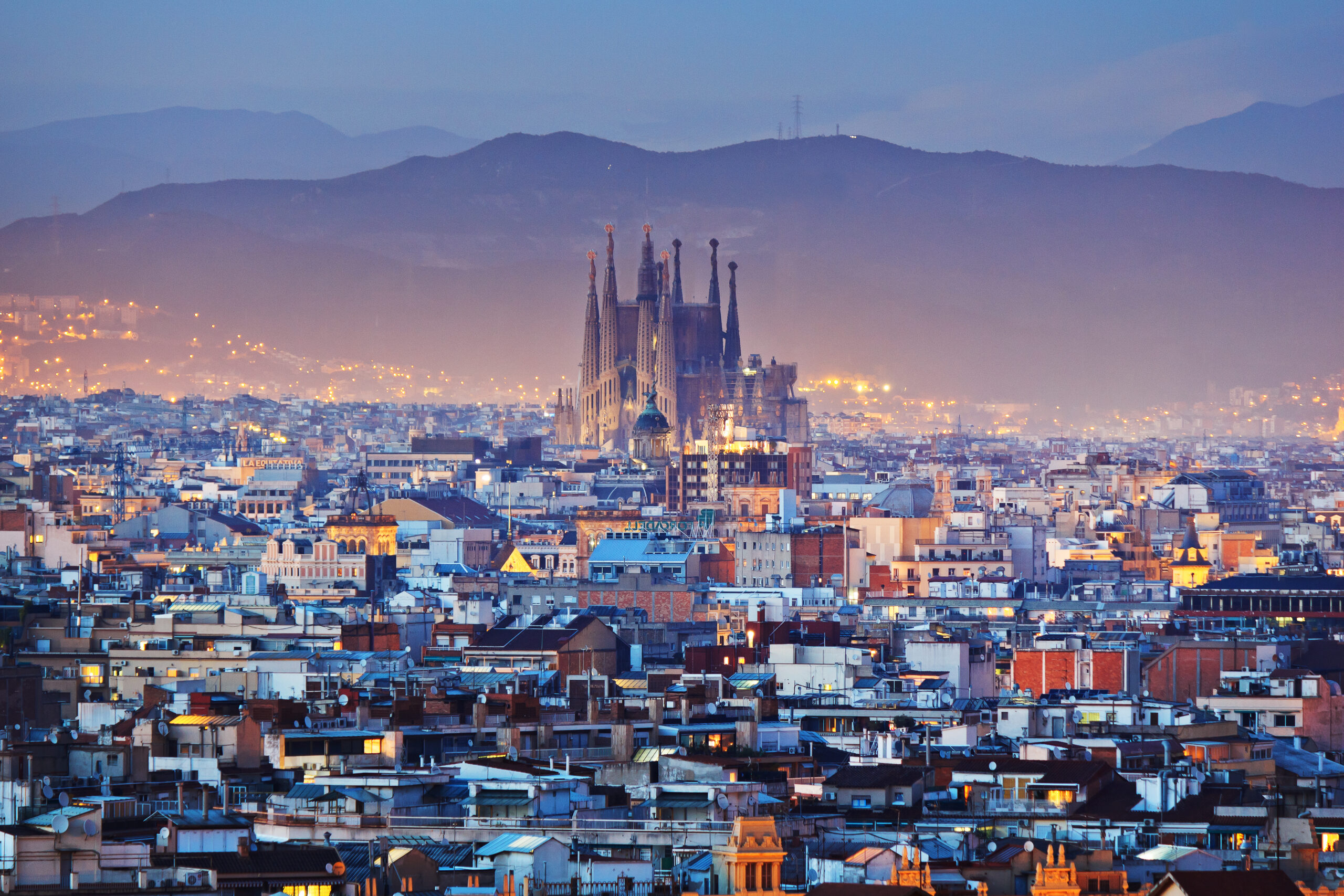
Spain’s most visited tourist attraction, Barcelona, the energetic capital of Catalonia, skillfully combines a strong historical background with contemporary art and culture. Barcelona, which is tucked away on the Iberian Peninsula’s northeastern shore, provides a singular combination of breathtaking beaches, architectural wonders, and a bustling food scene that will entice even the most discriminating palate. The magnificent Gothic Quarter, where winding, narrow passageways lead to magnificent medieval buildings and the renowned Barcelona Cathedral, is a testament to the city’s rich past. Beyond its historical allure, Barcelona is home to the renowned architect Antoni Gaudí’s landmark creations, which have made an enduring impression on the city’s architecture. These pieces include the stunning Sagrada Familia and the whimsical Park Güell. The charming beaches of Barceloneta and Nova Icaria provide countless chances for rest and sun-kissed shorelines for visitors seeking a Mediterranean atmosphere. Barcelona’s many attractions draw millions of tourists each year, who are mesmerized by the city’s distinct charm and irresistible allure.
Investigating The Historic Districts
As you go through the many historic districts, transport yourself back in time and become fully immersed in the rich history of the region. These neighborhoods provide a unique window into the region’s culture and heritage, in addition to serving as a tribute to the past. Every neighborhood has its tale to tell, from lovely museums and independent stores to picturesque cobblestone lanes and preserved buildings. Discovering the history of the place and appreciating the charm of bygone eras may be a riveting experience when you explore these historic districts, regardless of your interest in history or just interested neighborhood neighborhoods in life in a different age. Thus, take out a map, pull on some cozy shoes, and be ready to travel back in time as you set off on an amazing journey through the intriguing historic neighborhoods.
Vella Ciutat
Barcelona, Spain’s historic core is known as Ciutat Vella, or “Old City” in Catalan. Ciutat Vella, one of the city’s oldest neighborhoods, is a culturally, historically, and architecturally rich area. El Raval, Barri Gòtic, El Born, and Barceloneta are the four minor neighborhoods that make up this lively neighborhood. From chic boutiques and art galleries to winding medieval lanes and Gothic architecture, every neighborhood has its distinct personality and charms. Ciutat Vella provides an intriguing look into Barcelona’s history and present, whether you choose to explore its old Roman ruins, meander through its quaint squares, or savor some delicious real Catalan food.
An Overview Of The Historic Town Area
With its attractive squares and small lanes, the old town portion of the city is a captivating and charming part of the city. With their historic architecture and antique buildings telling tales of bygone ages, the cobblestone alleys make you feel as though you’ve traveled back in time. Quirky boutiques litter these tiny lanes, each one selling one-of-a-kind, distinctive goods that you can’t find anywhere else. These hidden treasures provide something for everyone, from vintage clothing to handcrafted items.
Explore the ancient town and you’ll come across charming squares where people congregate and take in the lovely ambiance. These squares are great places to people-watch since you can sit outside one of the many cafes and take in the energy of the neighborhood. You are tempted to take a break and indulge in a delectable treat by the aroma of freshly made coffee and pastries filling the air.
The old town district has many different restaurants, each specializing in unique cuisine, for dining. There is food to suit every taste, ranging from world cuisine to regional specialties. The ancient town has everything you could want, whether you’re searching for a quiet, personal setting or a bustling, energetic ambiance.
Highlights Including Barcelona Cathedral And The Gothic Quarter
The center of Barcelona’s historic district is the Gothic Quarter. Highlights abound in this historic neighborhood, which has striking old buildings, winding streets, and charming squares.
You’ll be taken back in time as you tour the Gothic Quarter. The exquisitely detailed facades and sophisticated detailing of the exquisitely maintained structures showcase complex Gothic architecture. Whether it’s a gorgeous medieval palace or a quaint small courtyard, it seems like there is always another hidden treasure around every curve.
It’s fun to stroll around the Gothic Quarter’s meandering, tiny lanes. You can’t help but be enchanted as you meander through the intricate pathways. The cobblestone alleys and medieval center houses add to the atmosphere, which is genuinely wonderful and evocative of mystery and history.
The Barcelona Cathedral is among the most notable locations in the Gothic Quarter. This magnificent cathedral, which is a wonder of Gothic design, was built in the thirteenth century. It is impressive to see because of its towering spires and detailed stone sculptures. As soon as you walk inside, the Gothic interior with its tall vaulted ceilings and exquisite stained glass windows will enthrall you.
Highlights that every traveler to Barcelona must see are the Barcelona Cathedral and the Gothic Quarter. They provide an insight into the rich history and architectural splendor of the city with its historic structures, winding streets, and charming squares. Thus, make sure to set aside some time to discover this charming area and take in the magnificence of the Barcelona Cathedral.
Eixample
Spain’s Eixample is a thriving neighborhood in the neighborhood of Barcelona that is renowned for its unique architectural design and urban layout. Eixample was created in the late 19th century by the visionary architect Ildefons Cerdà and is distinguished by its grid-like structure, roomy city blocks, and well-known Modernist structures. This neighborhood is well-liked by both inhabitants and visitors because it skillfully combines historic charm with centers modern flair. Eixample provides a lovely blend of modernism and antiquity, from chic stores and trendy cafes to lively markets and stately boulevards. This post will go over the main features and points of interest that make Eixample a must-see location for tourists looking for a distinctive and magical experience in Barcelona.
An Overview Of Barcelona’s 19th-century Expansion
Barcelona’s 19th-century growth was a crucial juncture in its history, profoundly influencing both its architectural style and overall growth. Population growth and rising industrialization were the main drivers of this expansion, necessitating the construction of additional infrastructure and housing.
Ildefons Cerdà’s design of the Eixample district was one of the most prominent aspects of this expansion. Barcelona’s architecture is known for its grid-like design, which transformed urban planning with its broad avenues and octagonal units. The Sagrada Familia and Casa Batlló, two of the most famous buildings of the era and designs by famed architect Antoni Gaudí, are located in the Eixample.
Apart from the Eixample, Gràcia, Sant Antoni, and Poble-sec are among the other neighborhoods that were included in this extension. These neighborhoods saw tremendous expansion and developed into prosperous residential and business centers.
Barcelona’s 19th-century growth made it a contemporary, energetic metropolis that drew visitors from all walks of life. Its Population Art Nouveau and Modernist architecture never fail to enthrall tourists and residents alike. This rise served as a springboard for Barcelona’s subsequent development into the multifaceted metropolis it is today.
Architectural Motifs And Notable Structures Like Casa Batlló And La Pedrera
Barcelona is a city renowned for its magnificent buildings and architectural designs. La Pedrera and Casa Batlló, two buildings by renowned architect Antoni Gaudí, are two noteworthy examples.
Modernism, the Catalan version of Art Nouveau, is exemplified by La Pedrera, or Casa Milà. This iconic structure is distinguished by its flowing facade, which lends it a flowing appearance. With elaborate wrought iron balconies and distinctive natural forms incorporated into the architecture, the attention to detail is astounding. La Pedrera, a UNESCO World Heritage Site and architectural marvel, draws tourists from all over the world.
Another stunning example of Gaudí’s architectural genius is Casa Batlló. This well-known monument is distinguished for its vibrant exterior covered in mosaics. The building’s distinctiveness is enhanced by its organic-looking, curved contours. Every element of Casa Batlló exhibits meticulous attention to detail, from the colorful windows with stained glass to the creative chimneys on the roof.
Barcelona is home to other noteworthy sites in addition to La Pedrera and Casa Batlló. Among these is Gaudí’s aesthetically spectacular Park Güell. It features beautiful views of the city, elaborate tilework, and enchanted gardens. La Sagrada Familia, a gigantic basilica built by Gaudí that has been under construction since 1882, is another noteworthy site. It is an architectural wonder because of its elaborate façade and tall spires.
It is best to make reservations for skip-the-line tickets in advance when visiting these attractions. With the use of these tickets, travelers can avoid lengthy lines and save valuable time. It’s also essential to plan for transport if you want your visit to Barcelona’s architectural gems to go well and without incident.
Sagrada Familia
Introduction: Located in Barcelona, Spain, the Sagrada Familia is a remarkable architectural masterpiece. The name of this famous basilica, which translates to “Holy Family” in English, has come to represent the city and draws millions of tourists there every year. The Sagrada Familia, created by the well-known architect Antoni Gaudí, is a showcase for his particular and original design, which is marked by minute details, organic shapes, and a tasteful fusion of natural elements. The stunning structure’s magnificence and spiritual importance have captured the attention of both locals and tourists for more than a century despite it being under construction. This essay will examine the history, architectural design, and current building status of this amazing church, highlighting the many reasons that the Sagrada Familia is a world-class architectural marvel.
History Of The Master Work By Antoni Gaudí
Situated in Passeig de Gràcia in Barcelona, Spain, Casa Batlló is a well-known architectural masterpiece by Antoni Gaudí. Gaudí’s majestic edifice from the early 20th century is a testament to his talent and displays his distinct architectural style.
Casa Batlló stands out from other structures of its era thanks to its distinctive features. Nature served as Gaudí’s inspiration for this masterwork, as witnessed by the building’s organic curves and flowing lines. The façade is very striking and catches everyone’s attention with its flowing balconies and columns that resemble skeletons.
Casa Batlló is not only aesthetically pleasing but historically significant. In 1904, Josep Batlló, the building’s owner, hired Gaudí to rebuild it. Gaudí created elaborate ironwork, mosaic tiles, and stained glass windows to turn an ordinary apartment building into a great architectural marvel. His creative approach to design and meticulous attention to detail won him recognition on a global scale, securing his place among history’s finest architects.
As a well-liked tourist destination today, Casa Batlló still stands as a tribute to Gaudí’s imaginative vision. It is a must-visit location for everybody interested in architectural marvels because of its vibrant design, tasteful material selection, and creative use of space. Gaudí’s dedication to pushing the bounds of invention and honoring the beauty of nature in his work is eternally symbolized by Casa Batlló.
Advice For Seeing And Doing Research At The Basilica
A magnificent architectural marvel with great historical and cultural value is Barcelona’s Basilica. Travelers from all over the world now consider this famous monument to be a must-see because of its exquisite features and stunning spires. Here are some pointers to remember neighborhood neighborhoods to get the most out of your visit.
To start with, to avoid long lines, it is crucial to plan and purchase your tickets in advance. Because of the basilica’s daily influx of visitors, booking your admission in advance will allow you to spend more valuable time admiring its magnificence.
Once inside, take your time to appreciate the basilica’s exquisite craftsmanship and breathtaking architecture. Every area of the basilica has a narrative to tell, from the iconic Sagrada Familia towers to the Nativity Façade. To gain an insightful understanding of the significance and background of Gaudí’s masterwork, think about using the services of an experienced tour guide.
Remember to ascend one of the towers for a bird’s-eye perspective of Barcelona. The views are quite stunning and provide an alternative viewpoint of the metropolitan skyline. But be ready for the stairs because there isn’t much lift access, and they may be physically taxing.
Finally, make use of the mobile apps and audio aids that the basilica offers. These websites are a great way to learn more about the creativity of Antoni Gaudí, as well as the history and design of the basilica.

Park Güell
Nestled in the bustling city of Barcelona, Spain, sits the astonishing architectural marvel known as Park Güell. This UNESCO World Heritage Site, created by the renowned architect Antoni Gaudí, is proof of his distinct and creative style. Combining architecture, art, and nature, Park Güell provides visitors with an incredibly enthralling experience. Barcelona’s rich cultural legacy is symbolized by the park, which is not only a major tourist destination but also features whimsical constructions, bright mosaic patterns, and beautiful panoramic views. Set out on an adventure through this remarkable park and lose yourself in the fascinating universe created by Gaudí.
An Explanation Of Gaudí’s Wacky Park Design
Tucked away in the heart of Barcelona is a fantastical park unlike any other, showcasing the imagination and skill of famed architect Gaudí. This park is a visual feast, full of vibrant colors and intricate architectural designs.
Gaudí turned what was initially intended to be a failing housing complex in the early 20th century into a bustling oasis that is now known as Park Güell. As one follows its meandering paths, one is met with a kaleidoscope of color – vivid mosaics embellished with tiles in every shade conceivable. At every angle, the architectural features that color enthrall Gaudí’s distinct style enthrall the viewer. The park is a masterwork of organic architecture, with features like pillars that imitate towering tree trunks and undulating benches that mimic waves.
A local flock of vibrant green Monk Parakeets is one of the most charming features of Park Güell. The park is already active, but these frolicking birds give it even more energy. Gaudí’s quirky work is well complemented by their chatting and aerial acrobatics.
Visitors are inevitably taken to a realm of magic and imagination as they tour the park. A highly captivating experience is created by Gaudí’s artistic vision, the vibrant mosaic work, and the surprise appearance of the Monk Parakeets. Park Güell is a magnificent homage to Gaudí’s limitless inventiveness and proof of his lasting influence.
In summary
To sum up, discovering Barcelona’s finest is a genuinely amazing experience. This city embodies all that is great about Catalonia’s rich past, from its vibrant culture and mouthwatering food to its spectacular sites and breathtaking architecture.

Neil James
Neil James is a British expat who is a long term resident of Spain. He has traveled the country extensively.